

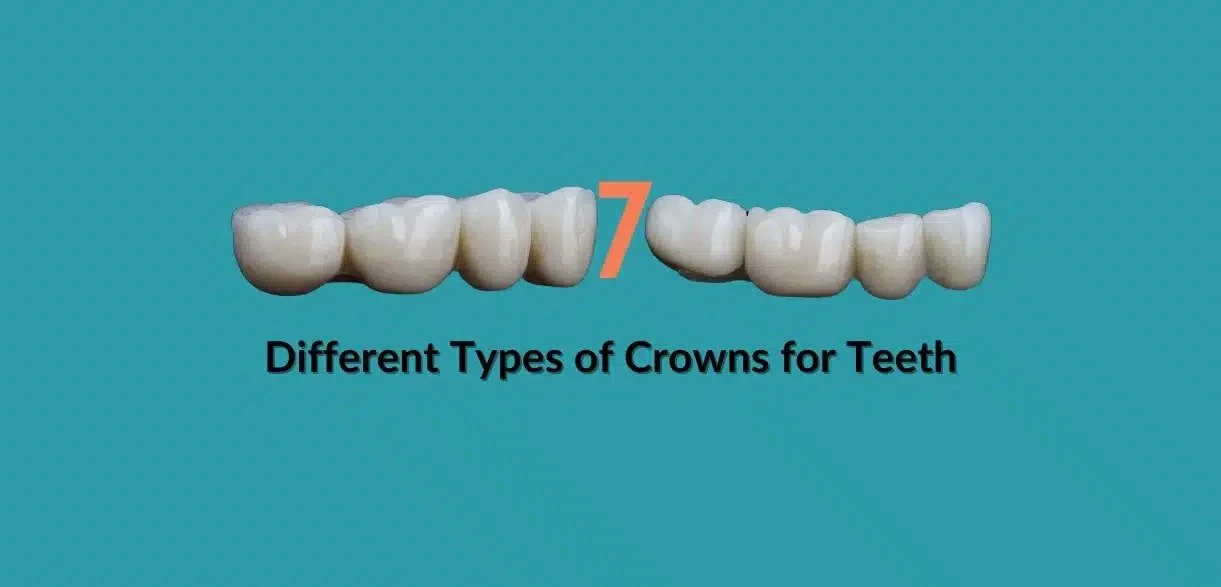
7 Different Types of Crowns for Teeth
By Supreme Dental Care of Orland Park
When it comes to restoring damaged or decayed teeth, crowns are a common and effective solution. Crowns act as protective covers that restore the function and appearance of your teeth. Whether you’ve had a root canal, a large filling, or just want to enhance the look of your teeth, understanding the different types of crowns available can help you make an informed decision. In this detailed guide, we’ll explore seven different types of crowns for teeth, providing practical tips and strategies to help you choose the best option for your needs.
What is a Dental Crown?
A dental crown is a custom-made cap placed over a tooth to restore its shape, size, and strength. Crowns are used to protect weakened teeth, cover large fillings, or improve the appearance of discolored or misshapen teeth. They are typically made from durable materials that blend seamlessly with your natural teeth, ensuring both functionality and aesthetics.
It can be crafted from various materials, each offering unique benefits and drawbacks. Understanding these differences will help you work with your dentist to select the best dental crown for your specific situation.
1. Porcelain Crowns
Porcelain crowns are a popular choice for many patients due to their natural appearance and durability. These crowns are made from high-quality ceramic material that closely mimics the translucency and color of natural teeth.
Benefits
Aesthetic Appeal: Porcelain crowns are highly customizable and blend seamlessly with the surrounding teeth.
Stain Resistance: They are less likely to stain or discolor compared to other materials.
Biocompatibility: Porcelain is generally well-tolerated by the body and reduces the risk of allergic reactions.
Drawbacks
Durability: While strong, porcelain crowns can be more prone to chipping or cracking compared to metal crowns.
Cost: They can be more expensive than other types of crowns due to the high-quality materials and craftsmanship involved.
Practical Tips
Avoid Hard Foods: To prolong the life of porcelain crowns, avoid chewing on hard foods or objects.
Regular Check-Ups: Schedule regular dental visits to ensure the crown is in good condition and to address any potential issues early.
2. Metal Crowns
Metal crowns are made from various types of metals, including gold, platinum, and other alloys. They are known for their exceptional strength and durability, making them suitable for molars that endure significant chewing pressure.
Benefits
Strength and Longevity: Metal crowns are highly durable and can withstand heavy chewing forces.
Minimal Tooth Reduction: They require less removal of the natural tooth structure compared to other types of crowns.
Low Wear on Opposing Teeth: Metal crowns are less abrasive on adjacent teeth.
Drawbacks
Aesthetic Concerns: Metal crowns are not as visually appealing as porcelain or ceramic crowns, making them less suitable for visible areas.
Potential Allergies: Some individuals may experience allergic reactions to the metal alloys used.
Practical Tips
Good Oral Hygiene: Maintain excellent oral hygiene to prevent any potential issues with the crown or underlying tooth.
Consult Your Dentist: Discuss any concerns about allergies or metal sensitivities with your dentist.
3. Porcelain-Fused-to-Metal Crowns
Porcelain-fused-to-metal (PFM) crowns combine a durable metal core with a porcelain layer, offering nearly the same strength as pure metal crowns but with improved aesthetics. Once the most popular choice in dentistry, PFM crowns are still used, though ceramic crowns are now favored for front teeth restorations due to their superior appearance. PFM crowns remain a cost-effective option and are well-suited for restoring back teeth, even if they don’t match the aesthetic of all-ceramic crowns.
Benefits
Balanced Aesthetics and Strength: PFM crowns offer a good balance between strength and appearance.
Versatility: Suitable for both front and back teeth, making them a versatile option.
Durability: The metal core adds extra strength and longevity.
Drawbacks
Visible Metal Line: The metal base may cause a dark line at the gum line, which can be noticeable if the gums recede.
Potential for Wear: The porcelain surface may wear down over time, especially if you grind your teeth.
Practical Tips
Regular Maintenance: Ensure you maintain regular dental check-ups to monitor the condition of the PFM crown.
Avoid Excessive Force: Avoid habits like teeth grinding that can damage the porcelain surface.
4. Zirconia Crowns
Zirconia crowns are made from a strong, durable material known as zirconium dioxide. They are highly resistant to fractures and offer excellent aesthetics due to their tooth-like appearance.
Benefits
Exceptional Strength: Zirconia crowns are among the strongest crowns available, making them ideal for high-stress areas.
Natural Appearance: They offer a natural look and are less likely to cause allergic reactions.
Resistance to Wear: Zirconia is highly resistant to wear and chipping.
Drawbacks
Initial Cost: Zirconia crowns can be more expensive compared to other materials due to their advanced technology and durability.
Potential for Sensitivity: Some patients may experience sensitivity with zirconia crowns, especially if the crown is not properly fitted.
Practical Tips
Consider for High-Stress Areas: Zirconia crowns are an excellent choice for molars or areas that experience significant pressure.
Discuss Fit with Your Dentist: Ensure proper fitting to minimize any potential sensitivity or discomfort.
5. Resin Crowns
Resin crowns, also known as composite crowns, are made from a type of plastic resin that can be color-matched to your natural teeth. They are often used as a temporary solution or for patients with specific cosmetic needs.
Benefits
Cost-Effective: Resin crowns are generally less expensive than porcelain or zirconia crowns.
Aesthetic Flexibility: They can be color-matched to blend well with surrounding teeth.
Quick Application: Resin crowns can be applied quickly, making them suitable for temporary use.
Drawbacks
Durability: Resin crowns are less durable than other materials and may wear down or discolor over time.
Limited Longevity: They are typically used as a temporary solution and may need to be replaced sooner.
6. E-Max Crowns
E-Max crowns are made from lithium disilicate, a type of glass ceramic known for its strength and translucency. They are a popular choice for patients seeking both durability and aesthetic appeal.
Benefits
High Aesthetic Quality: E-Max crowns offer a natural, translucent appearance that closely resembles natural teeth.
Strong and Durable: They provide excellent durability and resistance to fractures.
Conservative Preparation: E-Max crowns require less removal of the natural tooth structure compared to some other materials.
Drawbacks
Cost: E-Max crowns can be more expensive due to the advanced materials and technology used.
Wear on Opposing Teeth: They may cause more wear on opposing teeth compared to some other crown materials.
Practical Tips
Ideal for Front Teeth: E-Max crowns are especially well-suited for front teeth where aesthetics are a priority.
Discuss with Your Dentist: Work with your dentist to ensure the best fit and address any concerns about wear.
7. Temporary Crowns
Temporary crowns are provisional restorations used while waiting for a permanent crown to be made. They are typically made from acrylic or composite materials and are designed to protect the tooth and restore function temporarily.
Benefits
Protection: They protect the prepared tooth and maintain function until the permanent crown is ready.
Quick and Easy: Temporary crowns can be placed quickly, allowing for immediate protection and functionality.
Drawbacks
Limited Durability: Temporary crowns are not as durable as permanent options and may wear down or break more easily.
Aesthetic Limitations: They may not match the natural appearance of your teeth as closely as permanent crowns.
Practical Tips
Follow Care Instructions: Adhere to your dentist’s care instructions for temporary crowns to avoid damage.
Avoid Hard Foods: Refrain from chewing hard or sticky foods that could dislodge or damage the temporary crown.
Conclusion
Choosing the right dental crown can significantly impact your oral health and overall satisfaction with your smile. From the natural appearance of porcelain crowns to the durability of metal and zirconia options, understanding the different types of crowns available can help you make an informed decision. If you have questions about which crown might be best for your needs or if you’re considering a smile makeover, don’t hesitate to reach out to a local dentist’s office in Orland Park, we’re here to provide expert guidance and care tailored to your individual needs. Visit us today to discuss your options and take the next step towards a healthier, more confident smile.
