

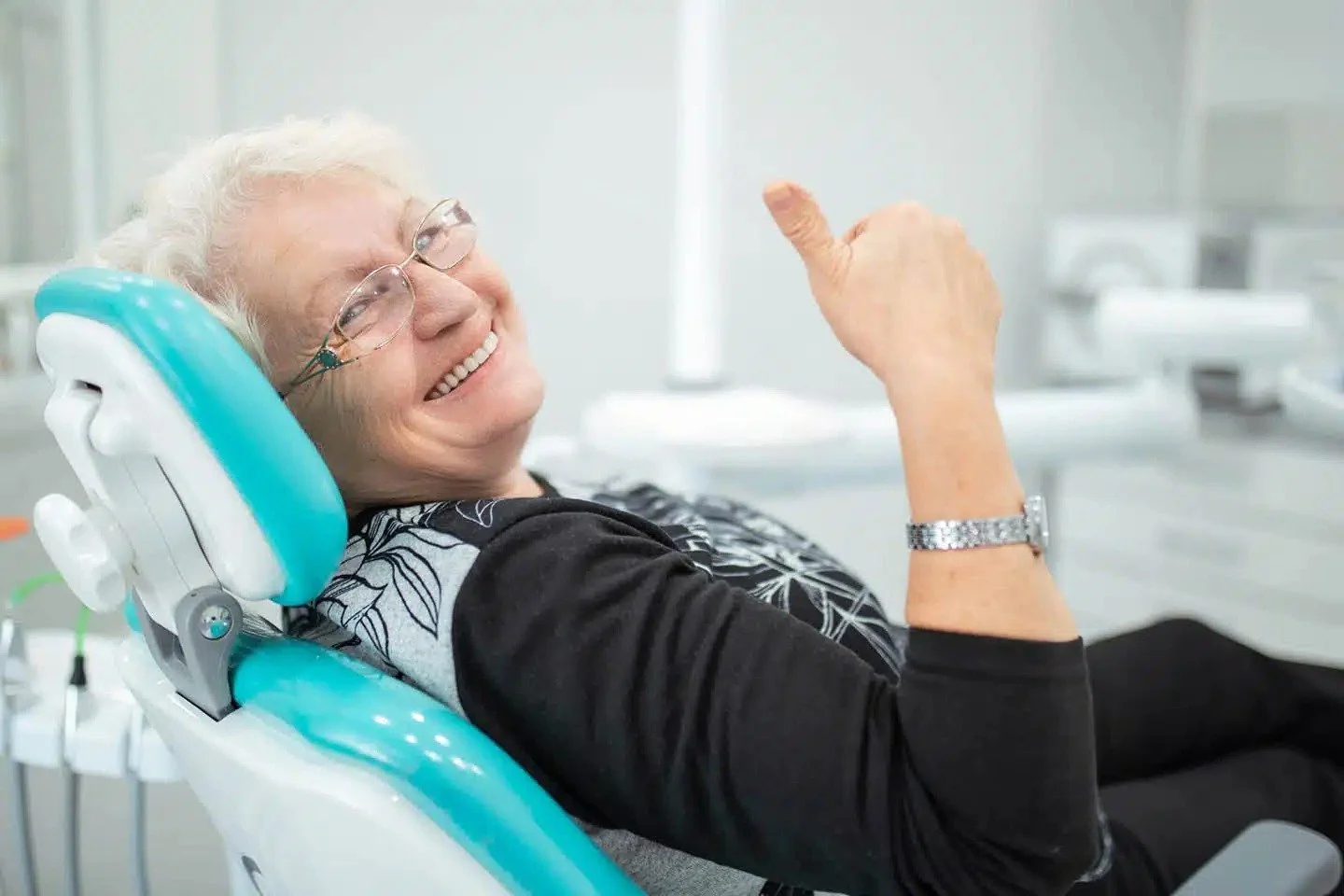
Dental Implants in Orland Park IL
Schedule your appointment


Visit our practice
(708) 942-5588

Dental Implants: The Permanent Solution to Missing Teeth
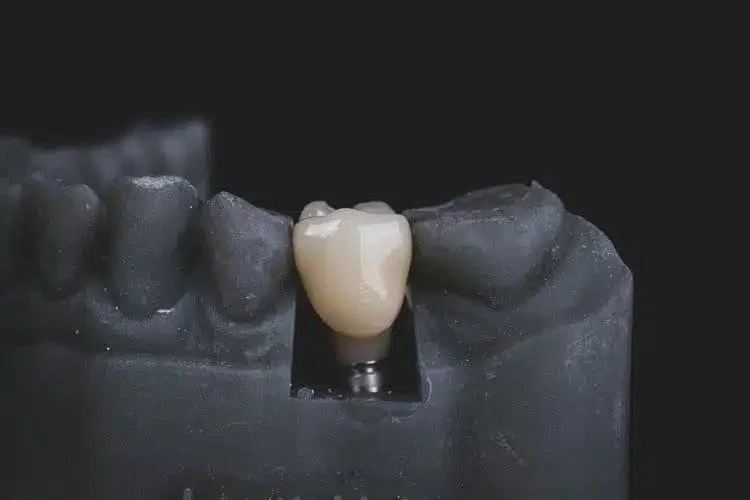
Dental Implants resemble natural teeth more than any other type of tooth replacement available today. In addition, dental implants are non-invasive to your neighboring teeth and help preserve your overall smile alignment. Whether you need a single, multiple, or full mouth restoration, Supreme Dental Care can help!
How Do Dental Implants Help Your Oral Health?
-
Dental implants help to prevent bone loss in the jaw by stimulating the bone tissue to continue growing, just like natural teeth.
-
Unlike dental bridges, implants do not require the adjacent teeth to be ground down or altered in any way, preserving their natural structure.
Improved Speech & Eating: Dental implants function like natural teeth, allowing for better chewing and speech. -
Dental implants are easy to clean and maintain, allowing for better oral hygiene and reducing the risk of gum disease.
-
Dental implants are a long-lasting solution compared to other tooth replacement options like dentures or bridges.
-
Dental implants can improve the appearance of your smile and restore your confidence.
-
Dental implants are made of materials that are not susceptible to decay, reducing the risk of future dental issues.
-
Dental implants are comfortable to wear and do not require any special care or maintenance beyond regular oral hygiene.
Fill Missing Teeth With Dental Implants
Dental implant placements and restorations are an effective and long-lasting solution for missing or damaged teeth. The success of implant placement and restoration depends on several factors such as the quality and quantity of bone, oral health, and lifestyle habits. With proper care and maintenance, dental implants can last a lifetime and provide a natural-looking and functioning replacement for missing teeth. At Supreme Dental Care, our team of dental professionals can guide you through the implant placement process and provide personalized care to ensure the best outcome for your individual case.Contact us today to schedule a consultation and learn more about how dental implants can improve your oral health and quality of life.
FAQs
-
Yes, dental implants can be placed in a smoker, but the success rate may be lower than in non-smokers. Smoking can affect the healing process and increase the risk of implant failure. It's recommended that smokers quit or at least reduce smoking before and after the implant placement procedure.
-
Yes, dental implants can be placed in the upper jaw, but the bone density and quality may vary from person to person. If the bone is too thin or weak, additional procedures such as bone grafting may be necessary to support the implant.
-
Yes, dental implants can be placed in diabetic patients, but close monitoring and control of blood sugar levels are important for successful implant placement and healing. Uncontrolled diabetes can affect the healing process and increase the risk of implant failure.
-
The dental implant process can take several months to complete, depending on the individual case. The implant placement surgery may take 1-2 hours, but the healing and integration of the implant with the bone may take 3-6 months. After the implant has integrated with the bone, the final restoration (crown, bridge, or denture) can be placed, which may take another 2-4 weeks.
-
Dental implants are not usually recommended for teenagers because their jawbones are still growing and developing. Implants can interfere with natural growth and development and may need to be replaced as the jaw grows and changes. However, in certain cases, dental implants may be considered for teenagers with missing or damaged teeth, after a thorough evaluation and consultation with the dentist.
-
Dental implants can last a lifetime with proper care and maintenance. Regular dental checkups, good oral hygiene, and avoiding smoking and excessive alcohol consumption can help extend the life of dental implants. However, the longevity of implants may also depend on individual factors such as bone density, oral health, and lifestyle habits.
-
Yes, dental implants can be used to replace multiple missing teeth, either individually or as part of a bridge or denture. The number and placement of implants will depend on the individual case and the amount of bone available to support the implant(s).