


TMD & Facial Pain in Orland Park, Illinois
Schedule your appointment


Visit our practice
(708) 942-5588

TMD Treatment and Facial Pain Treatment in Orland Park, IL
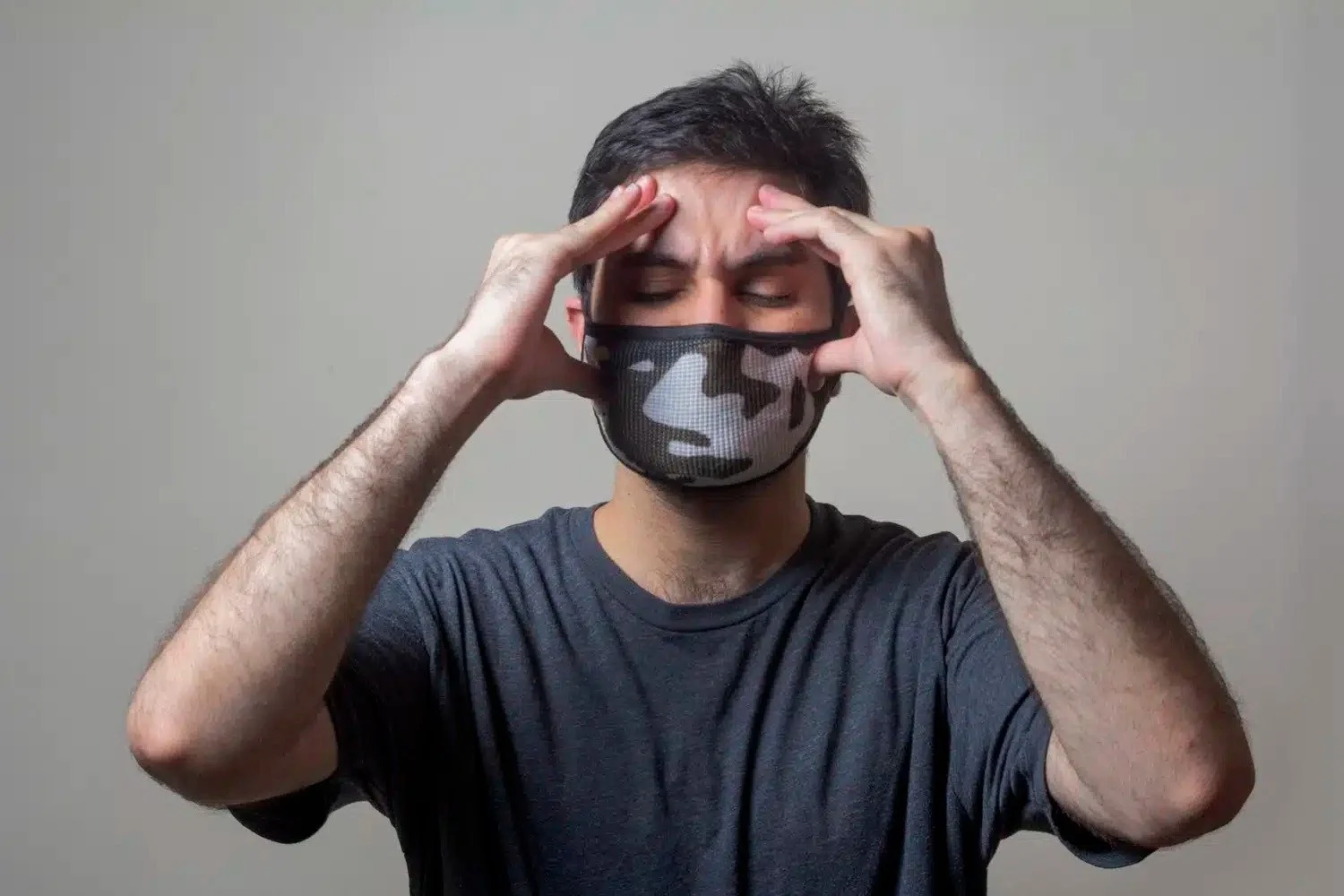
TMD (temporomandibular joint disorder) is a condition that affects the temporomandibular joint, which connects the jawbone to the skull. TMD can cause pain and discomfort in the jaw, face, and neck, as well as difficulty in chewing or speaking. Facial pain can also be caused by a variety of factors, including TMD, dental issues, sinus infections, or other medical conditions. TMD and facial pain can significantly impact a person's quality of life, making it difficult to eat, sleep, and engage in normal daily activities.
-
Reasons For TMD Pain
Trauma or injury to the jaw or temporomandibular joint.
Teeth grinding or clenching, which puts excessive pressure on the joint.
Arthritis or other inflammatory conditions affecting the joint.
Misalignment of the jaw or teeth, causing uneven pressure on the joint.
Stress or anxiety, leading to muscle tension in the face and jaw.
-
Can Facial Pain Be A Symptom Of TMD?
Facial pain is a common symptom of TMD (Temporomandibular Joint Disorder). It can be caused by muscle tension, inflammation, or nerve irritation in the jaw and face, which are all common features of TMD. The pain may be located in the jaw area, cheeks, temples, or even the ears, and it may be aggravated by chewing or speaking. If you are experiencing facial pain, particularly if it is accompanied by other symptoms such as jaw pain or clicking, it is a good idea to consult a healthcare professional for an accurate diagnosis and appropriate treatment.
Prevent TMD With Us
TMD and facial pain can be challenging conditions to deal with, but with the right diagnosis and treatment, they can be effectively managed. At Supreme Dental Care in Orland Park, IL, we understand the impact that these conditions can have on your quality of life, and our experienced team is dedicated to providing personalized care that addresses your unique needs. Whether you are experiencing jaw pain, facial pain, or other symptoms of TMD, we can offer a range of treatments, including physical therapy, medications, and dental devices, to help alleviate your discomfort and improve your jaw function. Contact us today to schedule a consultation and take the first step towards a healthier, pain-free smile.
We are GNM EXPERTS!
Dentists who dedicate themselves to advanced education, training, clinical skills and use and clinical application of Myotronics K7 technology are recognized as GNM experts in this advanced and competitive field of advanced dentistry. These dentist apply both the gnathic (clinical) and neuromuscular (bio physiologic science) concepts based on their training with Dr. Clayton A. Chan at Occlusion Connections™ in Las Vegas, NV, U.S.A. Click here to know more.
FAQs
-
Yes, stress and anxiety can contribute to TMD by causing tension and muscle tightness in the jaw area. In fact, some studies have shown that up to 70% of TMD cases are related to stress or psychological factors.
-
Yes, TMD can cause headaches, particularly in the temples or behind the eyes. This is because the muscles that control jaw movement are closely connected to the muscles in the head and neck.
-
In some cases, surgery may be recommended for severe TMD that does not respond to other treatments. However, most cases of TMD can be effectively managed with non-surgical treatments such as physical therapy, medications, and lifestyle changes.
-
Yes, teeth grinding can contribute to the development of TMD by putting excessive strain on the jaw muscles and joints. It is important to address bruxism as part of a comprehensive TMD treatment plan.
-
Yes, TMD can cause ear pain, as the jaw joint is located close to the ear and can affect the nerves and muscles in that area.
-
Yes, TMD can cause sleep problems such as insomnia, sleep apnea, and snoring. These sleep disturbances may be related to pain, muscle tension, or difficulty breathing caused by TMD.