

Can I Brush My Teeth Immediately After Using Whitestrips?
By Supreme Dental Care of Orland Park
Bright, sparkling teeth are a coveted feature that can boost your confidence and leave a lasting impression. Whether it’s for a special occasion or simply to enhance your smile, many people turn to teeth whitening strips as an affordable and convenient option. But before you dive into the world of whitestrips, you may be wondering about one crucial step: should you brush your teeth before or after using them? In this blog post, we’ll explore the ins and outs of using whitening strips and answer this burning question once and for all. So grab your toothbrush (for now!) as we delve into the world of teeth whitening!
What are Whitening Strips?
Whitening strips are a popular and convenient option for those looking to brighten their smile. These thin, flexible strips are coated with a whitening gel that contains peroxide, which helps remove surface stains from the teeth.
To use whitening strips, you simply apply them to your teeth and leave them on for a designated amount of time, usually around 30 minutes. The gel then works its magic by penetrating the enamel and breaking up the molecules that cause discoloration.
One of the advantages of whitening strips is their ease of use. They can be applied at home without the need for any special equipment or assistance from a dentist. This makes them a convenient choice for those who want to whiten their teeth but may not have the time or resources to visit a dental office.
However, it’s important to note that whitening strips do have some potential risks associated with their use. Some users may experience tooth sensitivity or gum irritation during or after using whitening strips. It’s always best to follow the instructions carefully and consult with your dentist if you have any concerns.
Whitening strips can be an effective option for achieving a brighter smile in the comfort of your own home. However, it’s crucial to consider any potential risks and consult with your dentist before starting any teeth-whitening regimen. Remember to prioritize oral health and maintain regular visits to your dentist in Orland Park for professional advice and care!
How do Whitening Strips work?
Whitening strips are a popular at-home teeth whitening option that can help brighten your smile. These thin, flexible strips are coated with a peroxide-based gel that works to bleach the enamel of your teeth.
When you apply the strips to your teeth, the gel comes into contact with the surface and begins to penetrate through the enamel. The hydrogen peroxide in the gel breaks down into oxygen molecules, which then enter the tooth and break apart any stains or discoloration present.
The length of time you need to wear whitening strips varies depending on the brand and strength of the product. Typically, you will need to wear them for around 30 minutes once or twice a day for several weeks to see noticeable results.
It’s important to note that while whitening strips can effectively lighten stains on natural tooth enamel, they may not be effective on all types of discoloration. For example, if you have internal staining caused by certain medications or dental treatments, whitening strips may not provide significant improvement.
Understanding how whitening strips work can help you make an informed decision about whether they are right for achieving your desired level of whiteness. It’s always best to consult with a dentist before starting any teeth whitening treatment to ensure it is safe and appropriate for your specific needs.
What are the risks of using Whitening Strips?
Using whitening strips can be an effective way to remove stains and brighten your smile. However, it’s important to understand the potential risks associated with their use.
One of the most common risks of using whitening strips is tooth sensitivity. The peroxide-based gel used in these products can penetrate the enamel and irritate the nerves inside the teeth, leading to temporary sensitivity or discomfort.
Another risk is gum irritation. If the strips are not applied correctly or if they come into contact with sensitive gum tissue, it can cause redness, swelling, and even bleeding.
It’s also possible for whitening strips to cause uneven results. Since these products are designed for at-home use without professional supervision, it can be challenging to achieve consistent whitening across all teeth.
Furthermore, overuse of whitening strips can lead to enamel erosion. The chemicals in these products may weaken the protective layer of enamel on your teeth if used excessively or incorrectly.
Some individuals may have an allergic reaction to the ingredients found in whitening strips. It’s essential to carefully read and follow the instructions provided by the manufacturer and stop using them immediately if you experience any adverse reactions.
While there are risks associated with using whitening strips, many people find that when used correctly and in moderation they can help improve their smiles’ appearance. To minimize potential risks, it’s always recommended to consult with a dentist before starting any teeth-whitening regimen.
Should you brush your teeth after using Whitening Strips?
Should you brush your teeth after using Whitening Strips? This is a common question that arises when people start using these teeth whitening products. While there is no one-size-fits-all answer, it’s important to understand how Whitening Strips work and the potential risks involved.
Whitening Strips are thin, flexible plastic strips coated with a gel containing hydrogen peroxide or carbamide peroxide, which are the active ingredients responsible for removing stains from the surface of your teeth. These chemicals penetrate the enamel and break down the molecules that cause discoloration, resulting in a brighter smile.
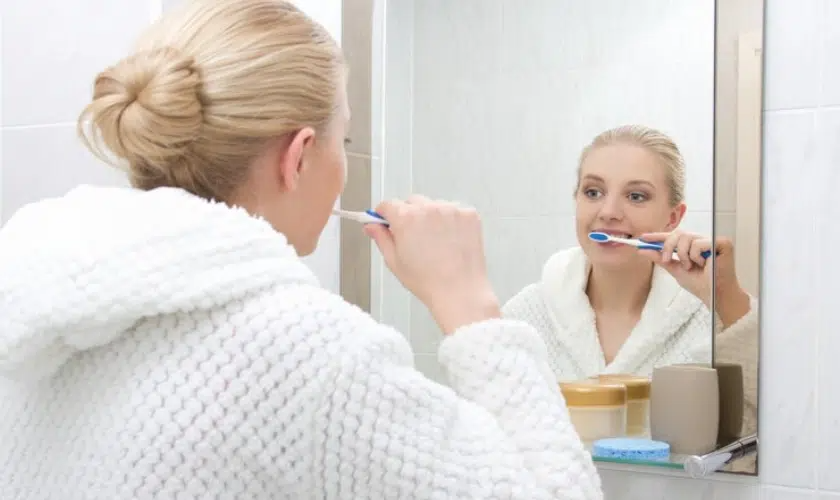
After using Whitening Strips, some individuals may experience tooth sensitivity or gum irritation. It’s recommended to wait at least 30 minutes before brushing your teeth to allow your mouth to recover from any potential discomfort. Brushing immediately after using Whitening Strips can further irritate sensitive gums and potentially damage the enamel weakened by the whitening process.
It’s also worth noting that brushing too vigorously can lead to gum recession and enamel erosion over time. To minimize these risks, use a soft-bristled toothbrush and gentle circular motions when brushing your teeth after applying Whitening Strips.
While it’s generally safe to brush your teeth after using Whitening Strips, it’s crucial to be mindful of potential sensitivity and take extra care not to exacerbate any discomfort. If you have concerns or experience persistent side effects, consult with a dentist in Orland Park for personalized advice on maintaining oral health while achieving a whiter smile.
Whitening strips are a popular and convenient option for achieving a brighter smile. These thin, flexible strips are coated with a gel containing hydrogen peroxide, which helps to remove surface stains on the teeth. While they can be effective in whitening your teeth, it’s important to consider the potential risks associated with their use.
Using whitening strips too frequently or leaving them on for longer than recommended can lead to tooth sensitivity and irritation of the gums. It’s always best to follow the instructions provided by the manufacturer and consult with your dentist if you have any concerns.
As for whether you should brush your teeth before or after using whitening strips, opinions may vary among dental professionals. Some recommend brushing before application to ensure that your teeth are clean and free from plaque before applying the strip. Others suggest waiting at least 30 minutes after removing the strip before brushing, as this allows time for any residual gel to dissipate.
It is crucial to maintain good oral hygiene habits by brushing twice a day with fluoride toothpaste and flossing daily. Regular visits to your dentist in Orland Park will also help keep your smile healthy and beautiful.
Remember, while whitening strips can enhance the whiteness of your teeth temporarily, they are not a substitute for professional dental care. If you’re looking for long-lasting results or have specific concerns about discoloration or staining, it’s always best to consult with an experienced dentist who can provide personalized recommendations based on your individual needs.
So go ahead and enjoy that cup of coffee or indulge in some red wine – just remember that moderation is key! And when it comes to achieving a bright white smile safely and effectively, trust in both proper oral hygiene practices as well as guidance from trusted dental professionals like those at our Orland Park clinic.
Now that you have all the information regarding using whitening strips correctly – happy smiling!
