

Dental Implants 2.0: A Deeper Dive into Overdenture Technology
By Supreme Dental Care of Orland Park
Missing teeth can significantly impact your daily life, affecting everything from your ability to eat and speak clearly to your self-confidence. Fortunately, dental implants have revolutionized tooth replacement, offering a permanent and stable solution. With the emergence of Dental Implants 2.0, advancements in this technology are further improving the lives of individuals with missing teeth. This is specifically through overdenture technology. This blog delves into the world of Dental Implants 2.0, exploring the specific benefits of overdentures. Also, this blog will give an insight into how this innovative approach can restore your smile and oral health.
Traditional Dental Implants: A Recap
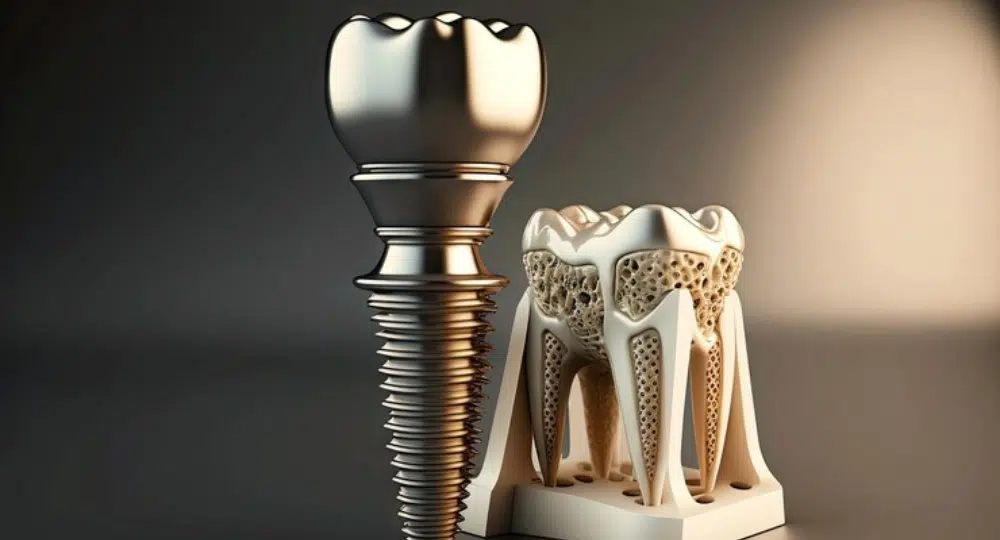
Traditional dental implants consist of two primary components:
A small, screw-like titanium post was surgically placed into the jawbone. This acts as the artificial tooth root.
The visible portion of the implant is custom-made to resemble a natural tooth and attached to the implant body.
Traditional implants offer numerous benefits, including:
Improved function: They allow for natural biting and chewing, similar to your natural teeth.
Enhanced aesthetics: They recreate the look and feel of natural teeth, restoring your smile and confidence.
Durability: Made from biocompatible titanium, they offer a long-lasting solution for tooth replacement.
Introducing Dental Implants 2.0: The Rise of Overdentures
Dental Implants 2.0 signifies advancements in implant technology, focusing on improving patient experience and outcomes. One key area of progress is the application of implants for supporting full or partial dentures, also known as overdentures. These are removable dentures that snap onto strategically placed dental implants. Compared to traditional dentures, overdentures offer several advantages:
Enhanced stability: Implants provide a secure anchor for the denture. As a result, it eliminates the slipping and discomfort often associated with traditional dentures.
Improved chewing function: The secure fit allows for better bite force, enabling you to chew food more effectively.
Preserved jawbone health: Implants stimulate the jawbone, preventing the bone loss that can occur with traditional dentures due to lack of stimulation.
Increased confidence: The improved stability and function boost self-confidence when speaking, smiling, and eating.
With Dental Implants 2.0, overdentures have become even more sophisticated. Here are some specific advancements:
Minimally invasive procedures: Techniques like computer-guided surgery and flapless implant placement can minimize surgical intervention and discomfort.
Faster healing times: Newer implant materials and surgical techniques often lead to faster healing and shorter recovery times.
Customized solutions: Advancements in digital dentistry allow for personalized implant placement and denture design for optimal fit and function.
Who Is A Candidate for Dental Implants 2.0 and Overdentures?
Dental implants have revolutionized tooth replacement, offering a permanent and stable solution for individuals with missing teeth. While traditional implants have served as the gold standard for years, Dental Implants 2.0 represents an exciting evolution, potentially offering faster placement, improved osseointegration, and enhanced aesthetics. However, understanding who is a suitable candidate for this innovative treatment is crucial before making a decision.
Ideal Candidates for Dental Implants 2.0 and Overdentures:
Individuals with Missing Teeth: This encompasses both full and partial tooth loss. Whether you’re missing a single tooth or an entire arch, Dental Implants 2.0 and overdentures can offer a natural-looking and stable solution.
Seeking Improved Denture Stability: If you struggle with loose or ill-fitting traditional dentures, Dental Implants 2.0 can significantly improve your experience. Overdentures provide enhanced stability, function, and confidence when eating, speaking, and smiling.
Adequate Jawbone Density: Successful implant placement relies on sufficient jawbone density to anchor the implant. During your consultation, your dentist will assess your jawbone health with X-rays and scans. If necessary, bone grafting procedures can be performed to increase bone volume and create a suitable foundation for the implants.
Good Overall Health: Generally, individuals in good overall health, free from uncontrolled medical conditions such as diabetes or severe autoimmune diseases, are considered suitable candidates for implant surgery.
Beyond these core criteria, additional factors your dentist may consider include:
Smoking Status: Smoking can negatively impact healing and increase the risk of implant failure. While not an absolute contraindication, quitting smoking is highly recommended before and after implant surgery.
Gum Health: Healthy gums are essential for successful implant placement and long-term success. If you have gum disease, your dentist will likely recommend treatment before proceeding with implants.
Age: While age is not a definitive barrier, it’s important to understand that bone density may decrease with age, potentially requiring additional considerations.
Dental Implants 2.0 represents a significant step forward in tooth replacement technology. This offers patients with missing teeth the opportunity to regain their smile and oral health with confidence. Overdentures, supported by strategically placed implants, provide a stable, functional, and aesthetically pleasing solution. If you are considering replacing missing teeth and are interested in learning more about overdentures, schedule a consultation with a qualified dentist. They can discuss your individual needs and determine if this approach is right for you, helping you embark on a journey toward a healthier and more confident smile.
