

Discover The Power Of Nature: 5 Steps To Reverse Periodontal Disease Naturally
By Supreme Dental Care of Orland Park
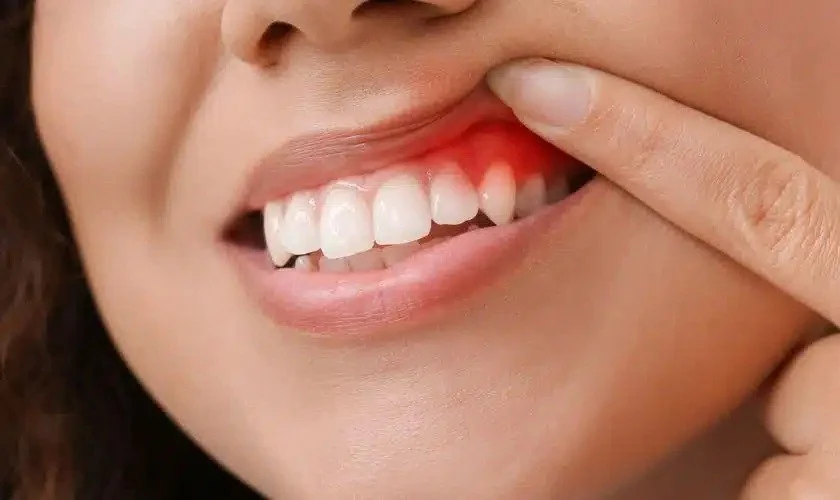
Imagine waking up one day and realizing that your gums are bleeding, your teeth are loose, and your smile, once radiant, now fills you with anxiety. Periodontal disease, commonly known as gum disease, can wreak havoc on oral health and overall well-being. The good news is that you don’t always need invasive treatments to combat it. Nature has provided us with incredible tools to reverse periodontal disease naturally. In this blog, we’ll embark on a journey to discover the power of natural remedies and explore five effective steps to help you regain your oral health and smile confidently.
The Power Of Nature In Dental Health
Nature has always provided us with incredible resources for maintaining our well-being, and our oral health is no exception. Before we dive into the steps to reverse periodontal disease naturally, let’s understand why turning to nature can be so beneficial.
The Healing Potential Of Natural Remedies
Our ancestors relied on natural remedies for centuries to treat various ailments, and dental issues were no exception. Plants like aloe vera, neem, and tea tree oil possess powerful antibacterial and anti-inflammatory properties that can aid in healing gum tissue and reducing inflammation. Additionally, the nutrients found in whole foods can promote overall oral health.
The Downside Of Conventional Treatments
While conventional dental treatments are effective, they often have a hefty price tag and potential side effects. Procedures like scaling, root planing, and antibiotics can be uncomfortable and disrupt the natural balance of your oral microbiome. Exploring natural alternatives can be a gentler and more holistic approach to tackling periodontal disease.
Five Steps To Reverse Periodontal Disease Naturally
Step 1 – Prioritize Mindful Oral Hygiene Practices
The cornerstone of a radiant and healthy smile lies in the foundation of proper oral hygiene. Maintaining oral hygiene isn’t just about the mechanical act of brushing and flossing; it’s about understanding the nuances of these practices. Here’s what you need to know:
Brushing Techniques: Brush your teeth at least twice daily using a soft-bristle toothbrush and fluoride toothpaste. Hold your toothbrush at a 45-degree angle to your gums and use gentle, circular motions. Make sure to brush all surfaces of your teeth, including the fronts, backs, and chewing surfaces.
Flossing: It removes plaque and food particles between your teeth and the gumline. Use a gentle sawing motion to slide the floss between your teeth and curve it around each tooth in a C shape. Be careful not to snap the floss, as it can damage your gums.
Regular Check-ups: Visit your dentist for regular check-ups and professional cleanings. These appointments can help detect and address dental issues early on, preventing them from progressing into more serious conditions.
Step 2 – Herbal Remedies
Herbal remedies offer a natural approach to promote gum health and combat periodontal disease. These remedies can complement your oral hygiene routine and provide additional benefits:
Aloe Vera Gel: Aloe vera has anti-inflammatory and antimicrobial properties, making it a valuable ingredient in oral care. You can apply aloe vera gel to your gums to soothe irritation and reduce inflammation.
Tea Tree Oil: Diluted tea tree oil can be a natural mouthwash. It has antibacterial properties that can help reduce plaque and combat oral infections. Remember to use it sparingly and follow proper dilution guidelines.
Herbal Mouthwashes: Look for herbal options containing ingredients like echinacea, chamomile, or sage. These herbs can promote gum health and freshen your breath without harsh chemicals.
Step 3 – Nutrient-Rich Diet
Your diet plays a significant role in your dental health. Consuming nutrient-rich foods can strengthen your gums and teeth. Dairy products, leafy greens, and fortified plant-based milk are excellent sources of calcium. This mineral helps strengthen tooth enamel and bones. Fiber foods like apples, carrots, and broccoli stimulate saliva production and help clean teeth naturally. Drinking plenty of water helps wash away food particles and bacteria, contributing to a healthier mouth.
Step 4 – Oil Pulling And Natural Mouthwashes
Oil pulling involves swishing a tablespoon of coconut or sesame oil in your mouth for 15-20 minutes. It can help reduce harmful bacteria, improve gum health, and whiten teeth. Spit out the oil after swishing; do not swallow it. Look for alcohol-free mouthwashes containing natural ingredients like xylitol, baking soda, or essential oils like peppermint and tea tree oil. These mouthwashes can freshen your breath and provide antibacterial benefits. Incorporate oil-pulling or natural mouthwash into your daily oral care routine for best results. Be patient, as it may take time to see noticeable improvements.
Step 5 – Stress Reduction And Holistic Lifestyle
Stress can indeed impact your oral health, so it’s essential to manage it effectively. High-stress levels can lead to teeth grinding, gum problems, and other oral issues. Practice meditation and deep breathing exercises to reduce stress and promote relaxation.
Your smile is a reflection of your overall health and well-being. Periodontal disease doesn’t have to be a permanent fixture in your life; you don’t have to rely solely on conventional treatments. You can take control of your dental health by harnessing nature’s power through mindful oral hygiene, herbal remedies, a nutrient-rich diet, oil pulling, and stress reduction. Embrace these natural steps, and you’ll be on your way to a brighter, healthier smile that lasts a lifetime. Nature has given us the necessary tools – it’s time to use them. With dedication and a holistic approach, you can reverse periodontal disease naturally and enjoy the confidence that comes with a radiant, disease-free smile. Remember, nature is on your side – embrace its power and transform your oral health today.
