

Don’t Panic: A Guide to Dealing with a Broken Tooth

By Supreme Dental Care of Orland Park
“Crack! There it goes – your worst nightmare has come true. Your tooth is broken, and you’re wondering what to do next. Don’t panic, we’ve got you covered with our ultimate guide to dealing with a broken tooth. From immediate first-aid steps to long-term solutions, this article will walk you through everything. We will discuss what you need to know about handling this dental emergency like a pro.”
What is a Broken Tooth?
Broken teeth can be a bit of a panic-inducing event. But there’s no need to stress if one happens to you. In this article, we’ll go over what to do when you find yourself with a broken tooth. We will give some tips on how to ease your anxiety while waiting for it to heal.
If you hit your tooth with a hard object, the tooth may break off in the gums. This type of injury is called an impacted tooth. If the tooth is connected to the jawbone by roots or cement, it will require dental care to remove it.
If the tooth is just loose in the gum, it can get removed using simple home remedies like baking soda and water (or even chlorhexidine gluconate).
When you bite hard on a broken tooth and it snaps off in your mouth, it’s called a displaced fracture. Displaced fractures are usually fixed with either surgery or a dental implant. To repair or replace an impacted or displaced fracture:
Apply pressure to the area around the fracture with your hand
Drink ice cubes or cold water constantly
Stay away from chewing gum and other hard foods
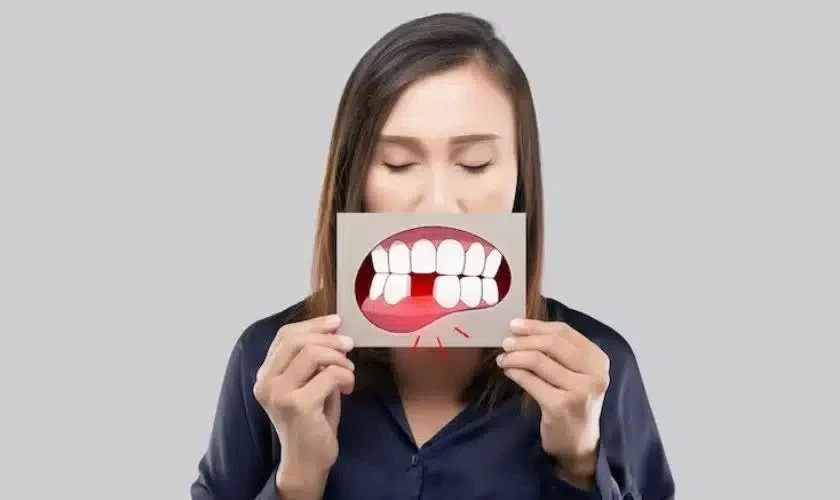
Source: Freepik
Types of Broken Teeth
Broken teeth are one of the most common dental problems, and can be a frustrating experience. Here’s a guide to help you deal with a broken tooth.
If you break your tooth while it is still in your mouth, the best course of action is to rinse it out with warm water and ask someone to put a temporary bandage on it. This will prevent further damage and ensure that the tooth can be saved if properly treated. If you break your tooth outside of your mouth, rinse it out immediately with cold water or ice, as this will reduce the risk of infection.
If there is any visible pulp remaining, seek professional dental care as soon as possible.
It will bleach all of the surrounding teeth. Let the area dry completely before applying a new adhesive or filling material.
Symptoms of a Broken Tooth
Broken teeth can cause a lot of discomfort and can be an unpleasant experience. Here are some of the symptoms to look out for.
If you break a tooth, it’s important to get it treated as soon as possible. The sooner the tooth is treated, the less likely it is to become infected, and the better your chances of getting it repaired or replaced without any further problems.
The most common symptom of a broken tooth is pain. This may be localized to the area where the tooth has been broken or it may be more generalized, affecting other parts of your mouth as well. If you have a broken tooth that’s not yet causing any pain, there may still be some signs that it’s not right – for example: if there’s abnormal bleeding from the tooth or if there’s any swelling around the tooth.
If you have a broken tooth that’s already starting to cause pain, your first step should be to rinse and floss it as best as you can. This will help dislodge any debris that may be causing the pain, and will also remove any food particles that could make things worse. If this doesn’t relieve the pain, you may need to see your dentist or dental specialist straight away.
Treatment for a Broken Tooth
If you’re unfortunate enough to suffer a broken tooth, there are a few things you can do to treat the injury and ensure that it doesn’t become worse. First, rinse the tooth with cold water to reduce swelling and pain. If the tooth is bleeding, apply pressure to the wound with a tissue or your hand. If the tooth is embedded in the gum, don’t force it out; try to gently pull on the tooth instead. Consult a dentist as soon as possible for proper treatment.
Prevention of a Broken Tooth
If you break a tooth, there are a few things you can do to prevent further damage. Here are some tips:
Rushing to the dentist isn’t always the best idea. If the tooth is just broken, it is possible to fix it at home using a taping technique. If the tooth gets damaged or if it’s in an awkward position, then you will need to see a dentist.
Prevention is key when it comes to dental injuries. Keep your teeth clean and healthy by brushing and flossing regularly. If you eat hard substances like candy or ice cream often, be sure to take calcium supplements. It helps keep your teeth strong.
If you do end up breaking a tooth, be patient and attempt to save it as best as possible by cleaning and dressing it properly.
Don’t try to remove any of the dentin – this can lead to extensive damage and even more pain down the road!
Source: Teeth Talk Girl
Hopefully, this guide has provided you with some tips on how to deal with a broken tooth. While it can be frustrating and scary, there is no need to panic. By following our recommendations, you should be able to get through the ordeal relatively unscathed. If you have any questions or concerns, don’t hesitate to call us for help. Thanks for reading!
