

How Dental Implants Can Restore Your Missing Teeth in Orland Park, IL
By Supreme Dental Care of Orland Park
Losing a tooth can have a significant impact on your confidence, oral health, and daily life. Fortunately, in Orland Park, IL, dental implants offer a remarkable solution to restore missing teeth. This comprehensive guide will delve into the world of dental implants, exploring how they can rejuvenate your smile and oral function. From the surgical process to the long-term benefits, we’ll uncover the intricacies of this modern dental marvel. Whether you’re missing a single tooth, multiple teeth, or seeking an alternative to dentures, dental implants offer a permanent, natural-looking solution that can transform your life. Discover the power of dental implants in Orland Park and embark on your journey to a complete, confident smile.
Understanding Dental Implants
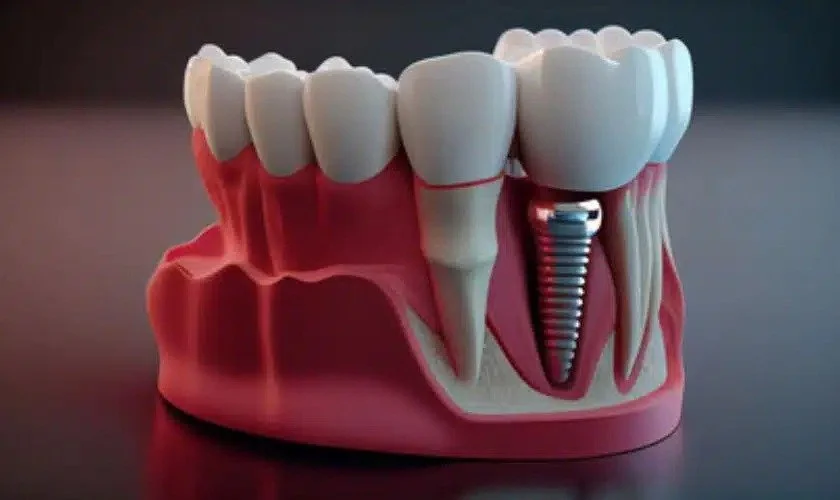
1. Implant Structure: Dental implants consist of three main components: the implant post, abutment, and crown. The implant post, typically made of titanium, is surgically placed into the jawbone, acting as an artificial tooth root. The abutment connects the implant post to the crown, and the crown serves as the visible and functional part of the tooth.
2. Osseointegration: A crucial aspect of dental implants is osseointegration, where the implant post fuses with the surrounding jawbone over time. This process provides a stable foundation for the replacement tooth and mimics the natural tooth’s root, preventing bone loss in the jaw.
3. Biocompatibility: Dental implants are known for their biocompatibility, which means they are well-tolerated by the body. This compatibility allows the implant to integrate with the jawbone without causing adverse reactions or rejection, ensuring a secure and long-lasting tooth replacement.
The Dental Implant Process
1. Initial Consultation and Treatment Plan: The dental implant process begins with an initial consultation with a dentist or oral surgeon. During this visit, the dentist assesses the patient’s oral health, discusses their goals, and takes diagnostic images like X-rays. A personalized treatment plan is then created, outlining the number of implants needed and the timeline for the procedure.
2. Implant Placement and Healing: The next step involves the surgical placement of the implant post into the jawbone. This is typically performed under local anesthesia to ensure comfort. After placement, a healing period is necessary for osseointegration, during which the implant fuses with the jawbone. Healing times can vary but typically range from several weeks to a few months.
3. Abutment and Crown Attachment: Once osseointegration is complete, an abutment is attached to the implant post. The abutment serves as a connector between the implant and the crown. Finally, a custom-made crown, designed to match the patient’s natural teeth, is attached to the abutment. The result is a functional and aesthetically pleasing replacement tooth that feels and functions like a natural tooth.
Benefits of Dental Implants
1. Improved Oral Function: Dental implants restore full oral function by providing a stable and secure foundation for chewing and speaking. Unlike traditional dentures, which can slip or cause discomfort, dental implants allow individuals to enjoy their favorite foods and speak confidently.
2. Natural Appearance: Dental implants are designed to mimic the look and feel of natural teeth. The custom-made crowns match the color, shape, and size of surrounding teeth, resulting in a seamless and aesthetically pleasing smile. This natural appearance boosts confidence and self-esteem.
3. Preservation of Jawbone Health: Dental implants promote jawbone health by preventing bone loss. When a tooth is lost, the underlying jawbone can deteriorate over time. Implants stimulate the bone, just like natural tooth roots, preserving its density and structure.
Candidates for Dental Implants
1. Good Overall Health: Candidates for dental implants should be in good general health. This includes having well-managed medical conditions such as diabetes, heart disease, or hypertension. It’s crucial for patients to share their complete medical history with their dentist to ensure that they can safely undergo the dental implant procedure.
2. Adequate Bone Density: Successful dental implant placement relies on sufficient jawbone density to support the implant post. If a candidate has experienced significant bone loss, they may require bone grafting procedures to augment the bone volume in the jaw. A thorough examination and imaging, such as X-rays or CT scans, help assess bone density.
3. Good Oral Health: Candidates should have good oral hygiene and healthy gums. Any existing dental issues, such as gum disease or untreated tooth decay, should be addressed before undergoing dental implant surgery. Maintaining excellent oral hygiene habits post-implant placement is also critical for long-term success.
Dental Implants vs. Other Solutions
1. Stability and Durability: Dental implants offer superior stability and durability compared to alternative solutions like dentures and bridges. They are anchored directly into the jawbone, providing a secure foundation for replacement teeth. This stability allows individuals to eat, speak, and smile with confidence, without worrying about slippage or discomfort.
2. Preservation of Surrounding Teeth: Unlike traditional bridges, which require adjacent healthy teeth to be modified, dental implants do not rely on neighboring teeth for support. This preserves the integrity of surrounding teeth, reducing the risk of further dental issues. Additionally, implants stimulate the jawbone, preventing bone loss, while removable dentures may contribute to bone resorption over time.
Caring for Dental Implants
1. Regular Oral Hygiene: Proper oral hygiene is essential for the long-term success of dental implants. Brushing and flossing should be performed diligently to maintain the health of the surrounding gums and prevent plaque buildup. Using a soft-bristle toothbrush and non-abrasive toothpaste is advisable to avoid damaging the implant or abutment.
2. Regular Dental Check-Ups: Routine dental check-ups are crucial for monitoring the health and stability of dental implants. Dentists can assess the condition of the implant, perform professional cleanings, and address any potential issues early on. Regular visits help ensure the longevity of the implants and the overall oral health of the patient.
Cost Considerations
1. Initial Investment: Dental implants typically involve a higher initial cost compared to alternative tooth replacement options like dentures or bridges. This initial investment covers the surgical placement of the implant post, abutment, and crown, as well as any necessary diagnostic imaging.
2. Long-Term Savings: While the upfront cost of dental implants may be higher, they often provide long-term savings. Dental implants are durable and can last a lifetime with proper care, reducing the need for frequent replacements or adjustments that may be required with other solutions. Additionally, their stability and preservation of adjacent teeth can contribute to overall oral health and potentially reduce future dental expenses.
Source : Dr. Brett Langston
In Orland Park, IL, dental implants offer a transformative solution for those with missing teeth. With their numerous benefits, including improved function, aesthetics, and long-term oral health, dental implants stand as a reliable choice for achieving a complete and confident smile. Consultation with a qualified dentist can help individuals embark on their journey to dental restoration.
