

How Much Do Different Teeth Whitening Options Cost?
By Supreme Dental Care of Orland Park
Abright, dazzling smile is a confidence booster, and teeth whitening has become popular for those seeking to enhance their pearly whites. However, one common concern is the cost. How much does teeth whitening cost, and what are the different options available? In this comprehensive guide, we will delve into the world of teeth whitening costs, offering you valuable insights and practical tips to make an informed decision. We’ll explore various teeth whitening methods, their price ranges, and factors that can influence the overall cost. So, let’s embark on this journey to a brighter smile while keeping your budget in mind.
What Is Teeth Whitening?
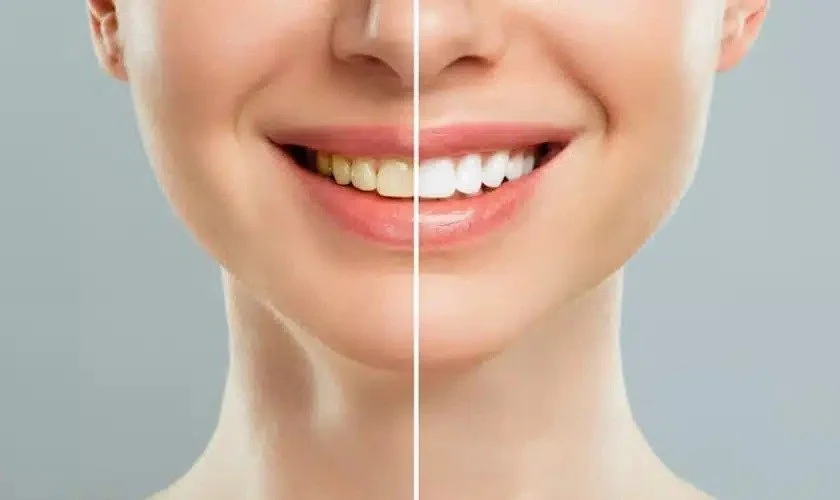
Teeth whitening is a cosmetic dental procedure designed to improve the appearance of teeth by removing stains and discoloration. It’s a non-invasive way to enhance your smile and boost your self-confidence. The process typically involves using a bleaching agent, which can be applied in-office by a dentist or used at home with over-the-counter or professional-grade kits. This agent breaks down the molecules that cause tooth staining, resulting in a brighter, more youthful smile. While teeth whitening doesn’t change the natural color of your teeth, it effectively eliminates surface stains caused by factors like coffee, tea, red wine, tobacco, and aging. It’s a popular choice for individuals looking to rejuvenate their smile and achieve a more vibrant appearance.
Different Teeth Whitening Options And Their Respective Costs
Over-the-Counter Teeth Whitening Kits
Over-the-counter (OTC) teeth whitening kits are easily accessible and affordable for those looking to brighten their smiles. These kits typically include whitening strips, trays, or pens containing mild bleaching agents. While OTC options are cost-effective, they are generally less potent than professional treatments. Prices for OTC kits can vary, ranging from approximately $20 to $50, making them an attractive choice for individuals on a budget.
Professional In-Office Teeth Whitening
Professional in-office teeth whitening is one of the fastest and most effective methods for achieving a brighter smile. This procedure is carried out by a dentist or dental hygienist, who applies a high-concentration bleaching gel to your teeth and often uses a special light or laser to enhance the results. While in-office whitening delivers quick and noticeable results, it comes with a higher price tag, typically ranging from $300 to $1,000 per session.
Take-Home Professional Whitening Kits
Take-home professional whitening kits offer a balance between convenience and effectiveness. Your dentist will create custom-fitted trays for you and a professional-grade whitening gel. These kits are more potent than OTC options and less expensive than in-office treatments. The cost of take-home kits typically falls between $100 and $400, making them a popular choice for individuals seeking professional-level results without the high cost of in-office treatments.
Whitening Toothpaste and Mouthwash
For those looking for a more gradual approach to teeth whitening, whitening toothpaste, and mouthwash are budget-friendly options. While they may not deliver dramatic results, they can help remove surface stains over time with regular use. Prices for whitening toothpaste range from $5 to $15, while whitening mouthwash costs between $7 and $20. These products are excellent for maintaining the whiteness of your teeth after professional treatments or as a budget-friendly alternative for minor staining.
Natural and DIY Remedies
Some individuals prefer natural and DIY remedies for teeth whitening. These methods can include using baking soda, activated charcoal, hydrogen peroxide, or coconut oil for oil pulling. While these options are often very affordable, their effectiveness can vary, and they may not provide the same level of whitening as professional treatments. It’s essential to use caution and consult with a dentist before trying any DIY methods to ensure they are safe for your teeth and gums.
Factors Influencing Teeth Whitening Costs
Several factors can influence the cost of teeth whitening:
Location
The geographical location of the dental practice can significantly affect teeth whitening costs. Dental services tend to be more expensive in major cities and affluent areas due to higher overhead costs and demand for cosmetic procedures. In contrast, dental practices in rural or less costly regions may offer more affordable rates. Therefore, your location can play a crucial role in determining the cost of your teeth whitening treatment.
Dentist’s Experience and Reputation
The experience and reputation of the dentist or dental professional conducting the teeth whitening procedure can impact pricing. Dentists with extensive experience and a strong reputation for delivering exceptional results may charge higher fees. Patients often see these higher costs as an investment in the quality of care and expertise provided by such professionals.
Type of Treatment
The specific teeth whitening treatment you choose will significantly affect the overall cost. In-office treatments, known for their quick and noticeable results, are generally more expensive than at-home options. The extent of discoloration or staining on your teeth may also influence the choice of treatment and associated costs, as more severe cases may require more intensive treatments.
Number of Sessions Required
Some teeth whitening methods may necessitate multiple sessions to achieve the desired level of whiteness. The need for additional appointments can raise the total cost, as each session typically incurs its fee. The number of sessions needed varies based on factors such as the severity of stains, the type of treatment, and the individual’s response to whitening.
Additional Dental Services
If your teeth require additional dental services in conjunction with teeth whitening, such as a dental cleaning, cavity filling, or comprehensive dental examination, these services will contribute to the overall cost. It’s essential to account for any additional treatments or procedures when budgeting for teeth whitening, as they may be necessary to ensure the best results.
Customization and Individual Needs
Customized teeth whitening plans designed to address unique dental conditions or sensitivities may lead to additional costs. Customization often involves creating custom-fitted trays or using specialized whitening products tailored to the patient’s specific needs. While this personalization can enhance results, it can also influence pricing.
Quality of Materials and Technology
The quality of materials and technology used during teeth whitening can impact costs. High-quality whitening agents and advanced equipment may result in higher fees due to their effectiveness and comfort during treatment. Patients seeking the best possible outcome may be willing to invest in these superior materials and technology.
Aftercare and Maintenance
Proper aftercare and maintenance are essential for maintaining teeth whiteness over time. Some dentists offer post-whitening treatments or recommend specific products to prolong the results. These additional services or products can add to the overall cost but are crucial for preserving the brightness of your smile in the long term.
A brighter smile is within reach, and understanding the costs associated with teeth whitening is the first step in your journey. From budget-friendly over-the-counter options to professional in-office treatments, choices suit various needs and budgets. Remember that the effectiveness of each method can vary, so it’s essential to consult with a dentist to determine the best approach for your specific situation. With the right information and a clear understanding of your options, you can achieve a dazzling smile that boosts your confidence and fits comfortably within your budget. So, go ahead and explore the teeth whitening method that works best for you, and get ready to shine with your new, radiant smile.
FAQs
Q: Is teeth whitening a one-time expense, or will I need regular treatments?
A: Teeth whitening is not a one-time expense because its results are not permanent. The longevity of whitening varies depending on your oral hygiene practices, dietary choices, and lifestyle factors. Many individuals find that they need periodic touch-up treatments to maintain their desired level of brightness. These touch-ups may occur every few months or annually, depending on personal preferences and the extent of staining. Consulting with your dentist can help determine a suitable whitening schedule for your needs.
Q: Do natural teeth whitening methods work as well as professional treatments?
A: Natural teeth whitening methods, such as baking soda or activated charcoal, may provide some whitening effect, but they are generally less potent than professional treatments. Professional teeth whitening options, whether in-office or take-home kits prescribed by a dentist, contain higher concentrations of whitening agents and are designed for more significant results. While natural methods can help remove surface stains to some extent, they may not provide the same level of whitening as professional treatments. Therefore, if you’re seeking a noticeable and lasting transformation, professional options are often preferred.
Q: How long does each teeth whitening session take, and is there downtime?
A: The duration of a teeth whitening session depends on the method used. In-office teeth whitening typically takes about 60 to 90 minutes to complete. After the procedure, there is no significant downtime, and you can resume your daily activities immediately. On the other hand, at-home teeth whitening treatments may require several weeks to achieve noticeable results, as they involve daily or nightly use of whitening products over an extended period. While there is no downtime associated with at-home treatments, it’s essential to follow the prescribed regimen consistently to achieve the desired outcome.
Q: Can I whiten my teeth if I have dental restorations like crowns or veneers?
A: Teeth whitening primarily affects natural teeth and may not alter the color of dental restorations like crowns or veneers. If you have dental restorations, discussing your whitening options with your dentist is essential. Mismatched shades between your natural teeth and restorations may become more noticeable after whitening. Your dentist can help assess your situation and recommend appropriate solutions, such as replacing or adjusting existing restorations to achieve a more uniform appearance with your whitened natural teeth.
