

Is Teeth Whitening Safe for Sensitive Teeth?
By Supreme Dental Care of Orland Park
Are you unhappy with how your teeth appear? Do they appear dull? Do you want to undergo teeth whitening but are worried about sensitive teeth? You’re definitely not alone. A lot of people wonder if whitening is safe when their teeth already feel a little touchy. The good news: you don’t have to give up on a whiter smile. You just need to know how to do it right, especially if sensitivity is already an issue.
What’s going on with sensitive teeth?
It’s more common than you’d think. Usually, the enamel on your teeth gets thinner, or your gums recede, exposing the layer underneath—the dentin. Dentin’s got tiny little pathways that lead straight to the nerve. That’s why a sip of hot coffee, a bite of ice cream, or even something sweet can send a quick jolt of pain.
Now, whitening works by using bleaching agents to break up stains, but those same agents can sometimes irritate sensitive teeth, especially if you use too much or something too strong. That doesn’t mean you’re out of luck, though. It just means you need to be a little more careful.
Does whitening hurt sensitive teeth?
Not really—at least, not if you do it the right way. It’s not the whitening itself that’s the problem, but how you use the products. Some over-the-counter kits are pretty intense and can make your teeth feel worse, especially if your enamel’s already a bit thin or your gums are delicate.
Here’s how to get a whiter smile without the pain:
Pick a gentler whitening product. Look for formulas made for sensitive teeth. They use lower concentrations of bleaching agents, so they’re less likely to irritate.
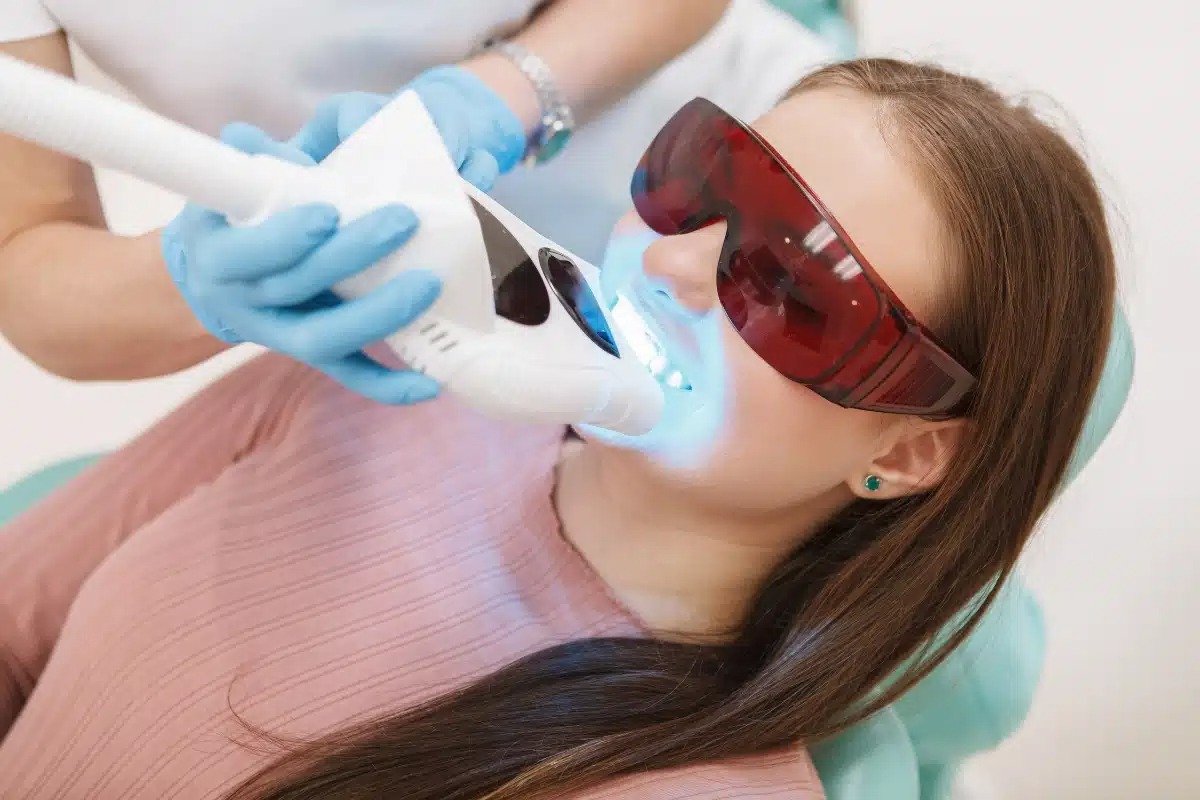
Talk to your dentist first. If you’re not sure what’s best, let a professional weigh in. Dentists can recommend the safest options—sometimes even do the in-office teeth whitening, where it’s much more controlled.
Switch up your toothpaste. Using a toothpaste for sensitive teeth can help protect your enamel and keep discomfort at bay, even while you’re whitening.
Don’t overdo it. Stick to the instructions on any whitening kit. More isn’t better—overusing these products will only worsen the sensitivity.
Take it easy on hot or cold foods right after whitening. Teeth can be a little jumpy right after treatment, so give yourself a break from ice-cold drinks or steaming soup for a day or two.
If you’re in Orland Park and looking for a safe, professional whitening option, Supreme Dental Care has treatments designed for sensitive teeth. The dentist can make custom trays that keep the whitening gel exactly where it should be and away from your gums, so you get results without extra irritation.
Bottom line?
Sensitive teeth don’t have to keep you from a brighter smile. Just be smart about the products you use, listen to your dentist, and give your teeth a little extra TLC. Want to learn more or book a whitening session? Give us a call and let’s get you smiling brighter—comfortably.
FAQs
1. How long does teeth whitening last for sensitive teeth?
Teeth whitening results last from six months to two years, depending on your oral care habits. Regular brushing with toothpaste for sensitive teeth can help maintain results longer.
2. Can teeth whitening cause permanent damage?
No, when done correctly, teeth whitening does not cause permanent damage. It’s essential to follow instructions and consult with your dentist if you experience persistent discomfort.
3. How can I prevent teeth sensitivity after whitening?
To minimize sensitivity, use a lower-concentration whitening product, take breaks between treatments, and switch to a toothpaste designed for sensitive teeth.
4. Is professional whitening better than over-the-counter products?
Professional whitening treatments tend to be safer and more effective, especially for people with sensitive teeth. Dentists can customize the treatment to reduce discomfort and optimize results.
5. Can I whiten my teeth if I have receding gums?
If you have receding gums, it’s essential to consult with your dentist before whitening your teeth. Exposed tooth roots may increase sensitivity, and professional guidance can help minimize risks.
