

Know What You Should do If Your Veneer Falls off
By Supreme Dental Care of Orland Park
Picture yourself enjoying your favorite meal when all of a sudden, you notice something odd in your mouth. You realize with horror that your veneer has fallen off. Panic sets in, but do not worry—this situation, while unsettling, is manageable.
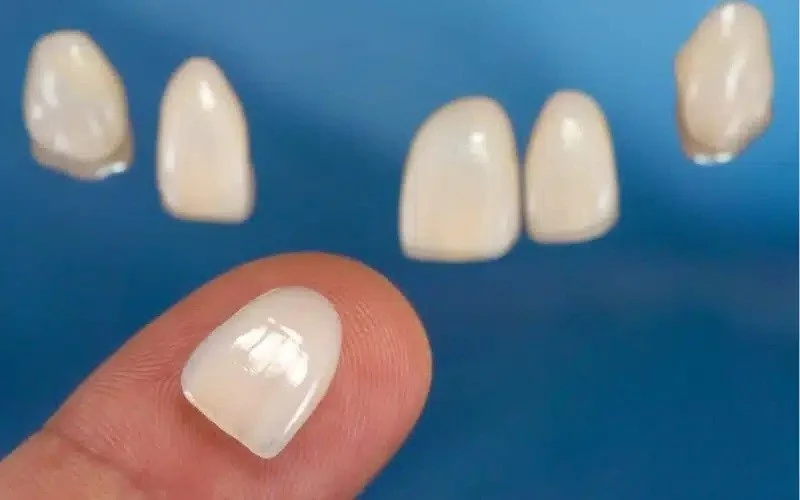
Veneers are tiny, precisely crafted shells that are used to cover the front of your teeth, improving your smile and shielding the underlying teeth. They play a crucial role in dental aesthetics, boosting confidence and improving overall appearance. However, when a veneer falls off, it can be a cause for concern.
The actions you should take as soon as a veneer falls off will be outlined in this blog. Understanding what to do can save you time, money, and stress. Let’s dive into the details.
What Are Veneers and Why Might They Fall Off?
Veneers are cosmetic dental treatments used to enhance the appearance of teeth. These thin shells are usually made from porcelain or composite resin and are bonded to the front surface of teeth. Veneers are popular for correcting issues such as discoloration, chips, gaps, and minor misalignments. Their ability to provide a natural-looking, beautiful smile makes them a sought-after solution in cosmetic dentistry.
However, despite their durability, veneers are not indestructible. Over time, various factors can lead to their detachment.
Common Causes for Veneer Detachment:
Wear and Tear Over Time: Veneers, like natural teeth, are subject to wear and tear. Over time, the bonding material that holds the veneer to the tooth can weaken. This natural degradation can lead to the veneer becoming loose or falling off altogether.
Trauma or Injury to the Mouth: Accidents take place. Whether it is a sports injury, a fall, or an unexpected impact, trauma to the mouth can dislodge a veneer. Even minor injuries can cause a veneer to loosen, leading to eventual detachment.
Chewing Hard Foods or Habits Like Teeth Grinding: Veneers are designed to withstand normal biting forces, but they can crack or dislodge when subjected to excessive pressure. Using teeth as tools or chewing on hard materials like ice can make veneer failure more likely.
Additionally, habits like teeth grinding (bruxism) can put constant stress on veneers, weakening the bond over time.
Improper Bonding During the Initial Placement: The success of a veneer largely depends on how well it was bonded to the tooth. If the bonding process was not done correctly, the veneer might not adhere properly, making it more likely to fall off.
Factors such as insufficient preparation of the tooth surface or incorrect application of the bonding agent can contribute to this issue.
Immediate Steps to Take When a Veneer Falls Off
When a veneer falls off, it is natural to feel anxious. But remaining composed and acting appropriately can have a big impact.
Stay Calm: The most crucial and initial step is to maintain your composure. Worrying will just exacerbate the already stressful situation. Understand that veneers falling off is not uncommon, and it can be fixed. Taking a deep breath and focusing on the next steps will help you handle the situation more effectively.
Recover the Veneer: Once you realize the veneer has fallen off, carefully locate it and pick it up. Handle it gently to avoid damaging it further. If possible, place the veneer in a small container or wrap it in tissue to keep it safe. This will be crucial if your dentist decides to reattach the original veneer rather than replace it.
Inspect the Veneer and Your Tooth: Before storing the veneer, take a moment to inspect both the veneer and the exposed tooth. Check if the veneer is intact or if it has any visible cracks or chips.
Also, examine your tooth for any signs of damage, such as sensitivity, roughness, or discoloration. While this inspection won’t replace a professional evaluation, it can give you an idea of the situation’s severity.
Temporarily Protect the Tooth: If your exposed tooth feels sensitive, it is important to protect it until you can see your dentist. You can use dental wax, which is available at most drugstores, to cover the tooth and prevent discomfort.
In a pinch, sugar-free gum can also be used as a temporary protective layer. Steer clear of chewing on the afflicted side of your mouth to avoid aggravating the condition.
Contacting Your Dentist
Once you have secured the fallen veneer and taken steps to protect your tooth, it is time to reach out to your dentist.
Importance of Prompt Action:
It is crucial to contact your dentist as soon as possible after your veneer falls off. Delaying the visit can lead to complications, such as increased tooth sensitivity, damage to the exposed tooth, or even the need for a new veneer. The longer you wait, the higher the risk of experiencing discomfort or further dental issues.
What to Expect During the Dental Visit?
Rebonding the Veneer: If the veneer is in good condition and the tooth is still suitable for bonding, your dentist might simply reattach the original veneer. The process involves cleaning the veneer and the tooth, applying a new bonding agent, and securing the veneer in place. This procedure is relatively quick and painless, restoring your smile to its original state.
Assessing if a New Veneer Is Needed: In some cases, your dentist may determine that a new veneer is necessary. This could be due to damage to the original veneer, changes in the shape or structure of the tooth, or a compromised bond that cannot be restored.
If a new veneer is required, your dentist will make a bespoke veneer that blends in with your current teeth by taking impressions of your teeth. This process may take a few weeks, during which a temporary veneer might be placed to protect your tooth.
Temporary Solutions Before Seeing Your Dentist
While waiting for your dental appointment, there are some temporary solutions you can use to manage the situation.
Over-the-Counter Dental Adhesives: Temporary dental cement or adhesives are available at most drugstores. These products can be used to temporarily reattach the veneer to your tooth.
However, it is important to follow the instructions carefully and understand that this is only a short-term fix. The adhesive may not provide a secure bond, and there is a risk of the veneer detaching again. It is essential to see your dentist as soon as possible for a permanent solution.
Pain Management: If the exposed tooth is causing discomfort or sensitivity, over-the-counter pain relievers can help manage the pain. Products like ibuprofen or acetaminophen can reduce sensitivity and make eating or drinking more comfortable.
Additionally, you may get some short-term comfort by using toothpaste made specifically for sensitive teeth. However, these measures only address the symptoms, not the underlying issue, so it is important to see your dentist promptly.
Preventing Veneer Detachment in the Future
Preventing future veneer detachment involves a combination of good oral hygiene, lifestyle adjustments, and regular dental visits.
Proper Oral Hygiene: Maintaining proper oral hygiene is essential for keeping your veneers and natural teeth healthy. Brush your teeth at least twice a day with non-abrasive toothpaste to avoid damaging the veneers.
Floss daily to remove plaque and food particles from between your teeth and along the gum line. Using an antibacterial mouthwash can also help reduce the risk of decay and gum disease, which could weaken the bond between your veneers and teeth.
Avoiding Hard Foods and Bad Habits: Certain foods and habits can put undue stress on your veneers, increasing the risk of detachment. Avoid chewing on hard objects like ice, nuts, or pens, as these can crack or loosen the veneers.
Additionally, habits like nail-biting or using your teeth as tools should be avoided. If you grind your teeth, particularly at night, consider using a night guard to protect your veneers and natural teeth from excessive pressure.
Regular Dental Check-Ups: Regular dental check-ups are crucial for maintaining the health of your veneers and the underlying teeth. During these visits, your dentist can check the integrity of your veneers and the bonding.
Early detection of any issues can prevent veneer detachment and other dental problems. Your dentist can also clean your veneers and natural teeth, removing any plaque or tartar buildup that could weaken the bond.
Dealing with a fallen veneer can be stressful, but with the right approach, it’s a manageable situation. Remember to stay calm, recover, and protect the veneer. Temporary solutions can help in the short term, but professional care is essential for a lasting fix.
Preventing future detachment involves good oral hygiene, avoiding harmful habits, and regular dental visits. By taking these steps, you can maintain your veneers and enjoy a confident, beautiful smile.If you have undergone a veneer falling off, do not hesitate to visit your local dentist office. They can provide personalized advice and ensure your smile stays intact. Reach out today to schedule an appointment and get the care you need.
