

Preparing for Tooth Extraction: What to Expect and How to Get Ready
By Supreme Dental Care of Orland Park
Are you feeling nervous about an upcoming tooth extraction? Don’t worry, you’re not alone! It’s natural to have questions and concerns about what to expect before, during, and after the procedure. But with some preparation and knowledge, you can ease your anxiety and ensure a smoother experience. In this blog post, we’ll walk you through everything you need to know to prepare for your tooth extraction – from what to expect at the dentist’s office to tips for managing pain and recovery at home. So please sit back, relax, and let us guide you through this important dental milestone!
What is Tooth Extraction?
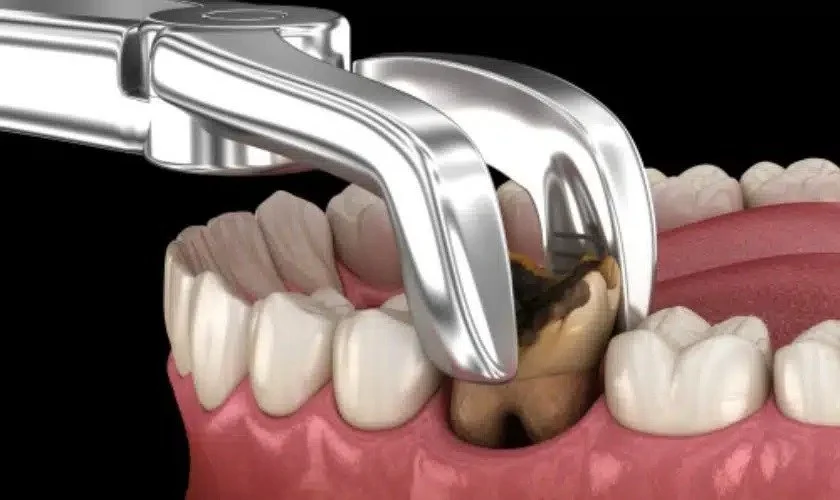
Tooth extraction is a dental procedure where a tooth is removed from its socket in the jawbone. It is typically performed by dentists or oral surgeons. This procedure may be necessary for various reasons, including severe tooth decay, advanced gum disease, tooth infection, or overcrowding. During the extraction, the area is numbed with a local anesthetic to minimize pain. The dentist or oral surgeon then carefully loosens the tooth and removes it using specialized instruments. After extraction, proper aftercare is essential to promote healing and prevent complications. It is important to follow the dentist’s instructions for a smooth recovery.
Preparing for the Procedure
You may feel a little nervous if you’re scheduled for a tooth extraction. After all, having a tooth pulled is not something most people experience regularly! However, there’s no need to worry; tooth extraction can be a breeze with a little preparation.
To start, you must clearly understand what to expect during the procedure. Your dentist will numb the area around your tooth before the extraction. You may feel pressure as the tooth is removed, but you shouldn’t feel pain.
Once your tooth has been extracted, your dentist will provide you with aftercare instructions. You must follow these instructions carefully to ensure proper healing. For example, you’ll likely be instructed to avoid using straws and brushing vigorously for the first 24 hours after your procedure.
You can also ensure your procedure goes as smoothly as possible:
Be sure to arrive at your appointment on time so that you’re timely.
Eat a light meal before your appointment so you’re not too hungry or full during the procedure.
Relax and trust that your dentist cares for you!
Source: Dental Minute with Steven T. Cutbirth, DDS
What to Expect During and After the Procedure
When you have a tooth extracted, your dentist will numb the area around the tooth with local anesthesia. You may also be given a sedative to help you relax. Once the tooth is numb, your dentist will use special tools to loosen and remove the tooth.
After the procedure, your mouth will be sore for a few days. You may also have some swelling and bruising. Your dentist will give you instructions on how to care for your mouth after the extraction. It includes taking pain medication and using ice packs to reduce swelling.
Pain Management Techniques
There are a few different pain management techniques that can be used during and after tooth extraction.
The first is local anesthesia, which numbs the area around the tooth so you won’t feel any pain during the procedure. It is usually given through an injection.
The second technique is sedation dentistry, which uses medication to help you relax during the procedure. It can be given through a pill or intravenous (IV) sedation.
The third technique is general anesthesia, which puts you to sleep during the procedure. It is usually only used for more complex procedures.
After the extraction, you may experience some discomfort and pain. Over-the-counter (OTC) pain relievers like ibuprofen (Advil) and acetaminophen (Tylenol) can help to relieve this pain.
You can also use ice or heat packs on the area to help reduce swelling and pain.
Care and Recovery Tips after a Tooth Extraction
When you have a tooth extracted, taking care of yourself post the procedure is important to ensure a quick and comfortable recovery. Here are some tips:
Get plenty of rest. Avoid strenuous activity for the first 24 hours after your procedure.
Use ice packs or cold compresses to reduce swelling and pain. Apply them for 20 minutes at a time, several times a day.
Take over-the-counter pain medication as needed to stay comfortable. Be sure to follow the instructions on the label carefully.
Rinse your mouth with warm salt water several times daily to help keep the area clean and free of infection.
Eat soft foods for the first few days, gradually reintroducing solid foods as you feel comfortable. Avoid using straws, as they can disturb the healing process.
Home Remedies for Soreness
When it comes to soreness, a few home remedies can help:
Try rinsing your mouth with a warm saltwater solution. It will help to reduce swelling and pain.
Try using ice packs or cold compresses to reduce swelling. If you’re still in pain, over-the-counter pain medication can help. Just be sure to follow the instructions on the label.
Make sure to rest and relax as much as possible.
Tooth extraction can be a scary experience for some people, but with the right preparation and understanding of what to expect, it doesn’t have to be. Taking the time to plan and ensure that you are mentally and physically ready for the procedure will go a long way in ensuring your experience is as safe and comfortable as possible. So if you remove anything from this article, let it be that preparedness is key for tooth extractions.
