

Say Goodbye to Missing Teeth with Dental Implants: A Comprehensive Overview
By Supreme Dental Care of Orland Park
Are you tired of living with missing teeth and feeling self-conscious about your smile? Dental implants might be the solution you’ve been searching for. These advanced dental procedures have revolutionized replacing missing teeth, offering a more permanent and long-lasting solution than traditional dentures or bridges. In this comprehensive overview, we’ll dive deeply into everything you need to know about dental implants – from how they work to their benefits and potential risks. So say goodbye to missing teeth once and for all with our help!
What are Dental Implants?
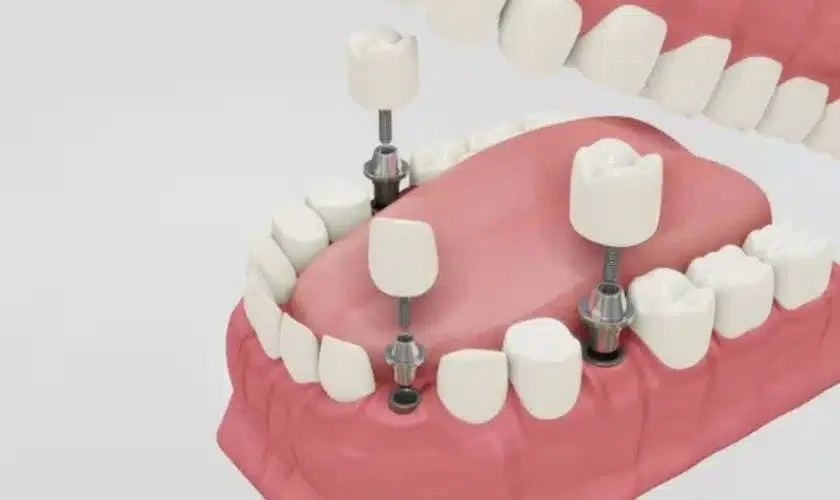
These implants are a way to replace missing teeth with artificial tooth roots that are securely anchored in the jawbone. Implants are a more permanent solution than dental bridges, often replaced after 10 to 15 years. Implants may also be a better option for people with difficulty eating or chewing because they provide more stability and support for teeth.
There are three types of implants: fixed, removable, and expandable. Fixed implants remain in the jawbone indefinitely; removable implants can be removed if you someday decide you no longer want them; and expandable implants gradually become larger over time as they absorb tissue from around them. Implants come in many different shapes and sizes and can be made from different materials, including metal, plastic, and composite.
Source: freepik
Types of Dental Implants
This surgery is a surgical procedure that replaces missing teeth with artificial dental implants. Implants are made of metal, plastic, or other materials and are placed into the jawbone. They provide a stable foundation for replacement teeth that lasts up to 10 years. There are three main types of dental implants: abutment (or “anchor”), screw, and ventriculostomy (or “bridge”).
Abutment Implants. An abutment dental implant is the most common type and is usually the size of a pea. It attaches to the tooth on either side of the space and holds the new tooth in place.
Screw Implants. A screw dental implant has two screws that attach it to the surrounding teeth. This type is easiest to put in because there’s no need for drilling or filling.
Ponticulotomy Dental Implants. A ventriculotomy dental implant is a bridge that replaces one or more missing teeth with an artificial implant called a monticule. The ponticule attaches to the back of one natural tooth and extends into the space created by the missing tooth on the opposite jawbone.
How Do they Work?
They are a type of artificial tooth that is inserted into the jawbone. They are made from titanium and other materials and attach to the teeth using anchors. The implants can last for many years and provide a permanent solution for people who have lost teeth.
They are inserted into the jawbone using an outpatient procedure. The implant is connected to an anchor, which is put into the jawbone. The implant will eventually become part of your bone structure.
There are several benefits to these implants over traditional dental restoration procedures:
They are more durable than traditional tooth replacement options, which means they can last longer and provide a more permanent solution.
They typically require less maintenance than traditional teeth replacements. It means you will only need to visit a dentist sometimes with traditional restoration options.
They typically require less surgery than traditional restoration procedures, which makes them safer and easier to perform.
They can replace multiple teeth in one procedure, making them ideal for people who have lost multiple teeth in a single accident or injury.
They can provide increased stability and support for natural teeth while artificial teeth replace them.
They can improve your appearance by replacing missing teeth with beautiful prosthetic devices that look like natural teeth.
Pros and Cons of Dental Implants
There are benefits of dental implants over natural teeth, both short- and long-term. Here are some pros and cons to consider when making the decision:
Pros of Dental Implants:
1. They Last Longer – They are much more durable than natural teeth and can last many years without requiring replacement.
2. They’re Easy to Repair – If something goes wrong with your implant, such as a broken tooth, you can replace it with a new implant rather than having to replace all your teeth.
3. They’re Less Likely to Become Damaged or Lost – They are less likely to become damaged or lost due to accidents or everyday wear and tear.
4. They’re More Comfortable – Dentists often say these implants feel more comfortable than natural teeth because they don’t move around as much during chewing and eating. It can be especially beneficial for people suffering from jaw pain or TMJ (Temporomandibular Joint) syndrome.
5. They’re Safer – Since these implants are made from hardened materials, they’re much safer than natural teeth in an accidental injury. Plus, if something does happen to your implant, it’s usually easy to fix without needing to remove the entire tooth structure, as is necessary with traditional dentures or dentures with a fixed bridge.
Source: TMJ4 News
Dental implants may be the solution for you if you are missing teeth, whether because of tooth loss or dental trauma. Dental implants are a stable replacement for natural teeth that can give you a more comfortable and confident smile. This comprehensive overview will discuss the basics of dental implants, including what they are, how they work, and the benefits they offer. We will also explore different types of dental implants available on the market today so that you can find the perfect implant for your needs. Finally, we will provide tips on getting approved for dental implants and start planning your treatment!
