

The Science Behind Teeth Whitening: How It Works and Its Advantages
By Supreme Dental Care of Orland Park
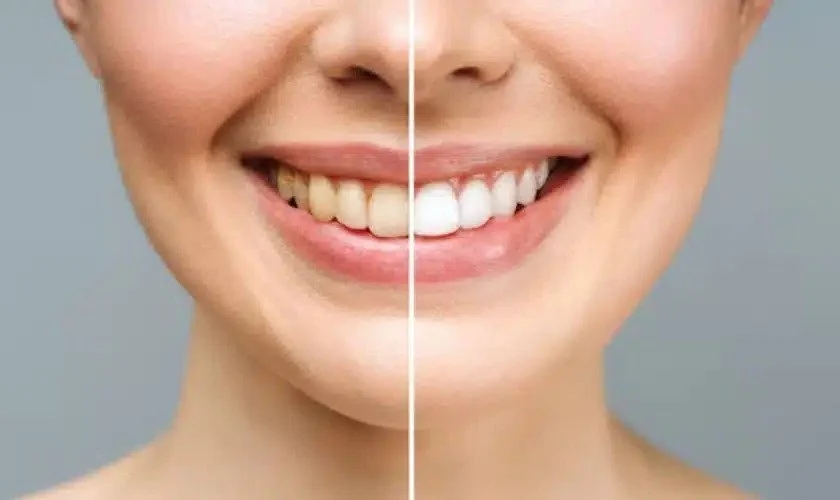
Are you tired of hiding your smile because of yellow or stained teeth? Teeth whitening is a popular cosmetic dental procedure that can transform the appearance of your teeth and boost your confidence. But have you ever wondered how it works? In this blog post, we’ll delve into the science behind teeth whitening and explore its many advantages. From enamel structure to bleaching agents, we’ve got you covered! So sit back, relax, and let’s dive into the world of brighter smiles.
The Science Behind Tooth Whitening
Tooth whitening products work by removing the natural color of your teeth. This can be done in some ways, including bleaching agents and lighteners.
The bleaching process works by breaking down the tooth’s enamel layer. The lightener then emits ultraviolet (UV) radiation which breaks down the remaining enamel and dentin to create a whiter hue.
There are several reasons why tooth whitening is popular. Whitening treatments can improve the appearance of your teeth, making them look brighter and more beautiful. They can also help you to feel more confident when talking or smiling, as well as improve your oral health overall.
There are some different types of tooth-whitening products on the market, each with its benefits and drawbacks. Some products use bleaching agents that are harsh on your teeth and can cause tooth sensitivity; others use milder lighteners that may still leave some unwanted dental residues behind. It’s important to choose a product that will work best for you and avoid those that may cause damage or discomfort.
How Teeth Whitening Works
There are a few different types of teeth-whitening products on the market, but the basic principle behind all of them is the same. By using a light source and a chemical to remove surface stains from teeth, we can make them appear brighter and whiter.
The light source used in teeth whitening is typically a laser or LED light. These lights work by breaking down the color of tooth stains. The chemical used in most whitening products is called a bleaching agent. Bleaching agents work by removing pigment from tooth enamel and then discoloring tooth staining.
Whitening results vary depending on the product you use and how often you use it. Whitening treatments typically take about two hours, but they can last up to two weeks.
The treatments should be done at least twice per year for optimal results.
Advantages of Tooth Whitening
Tooth whitening is a popular cosmetic approach that supposedly removes unwanted stains from teeth. The procedure typically involves the use of bleaching agents or light energy to break down the plaque and mineral buildup on teeth, which supposedly results in a whiter tooth. While there are some scientific benefits to whitening teeth, there are also some potential drawbacks. Here are four major advantages of tooth whitening:
1) It can improve your appearance.
2) It can be an affordable treatment.
3) It can get done in a relatively short time.
4) It may not be effective for everyone.
Source: Teeth Talk Girl
If you’re looking to brighten your teeth naturally, there are some options available that use different techniques and ingredients. In this article, we’ve outlined the science behind teeth whitening and discussed its advantages and disadvantages. We’ve got included some recommended products that use proven methods. So whether you’re just starting to consider whitening options, read on for more information on how teeth whitening works and the benefits it offers.
