

Tooth Extraction for Dental Implants: Preparing Your Jaw for a New Smile
By Supreme Dental Care of Orland Park
Dental implants can completely transform your smile, boosting your confidence and improving your overall oral health. However, the journey to a perfect smile often starts with a crucial step—tooth extraction. Removing a damaged or decayed tooth prepares your jaw for a successful dental implant, ensuring it has a healthy foundation to thrive.
This blog will explore why tooth extraction is essential, what to expect during the process, how to prepare your jaw for implants, and tips for a smooth recovery.
What Is a Tooth Extraction for Dental Implants?
A tooth extraction for dental implants involves removing a tooth from its socket in the bone. This procedure becomes necessary when a tooth is too damaged or decayed to be saved. In the context of dental implants, tooth extraction is often the first step in preparing the mouth for implant placement.
Tooth extraction may be required for several reasons before a dental implant:
Severe Tooth Decay: When a tooth is too damaged by decay and can’t be restored with a filling or crown.
Trauma: If a tooth has been damaged by an accident and is beyond repair.
Infection: Infections that affect the root and surrounding bone may need extraction to prevent further complications.
Crowding: Removing a tooth might be necessary to make room for a dental implant, especially if teeth are misaligned.
Types of Tooth Extractions
There are two main types of tooth extractions:
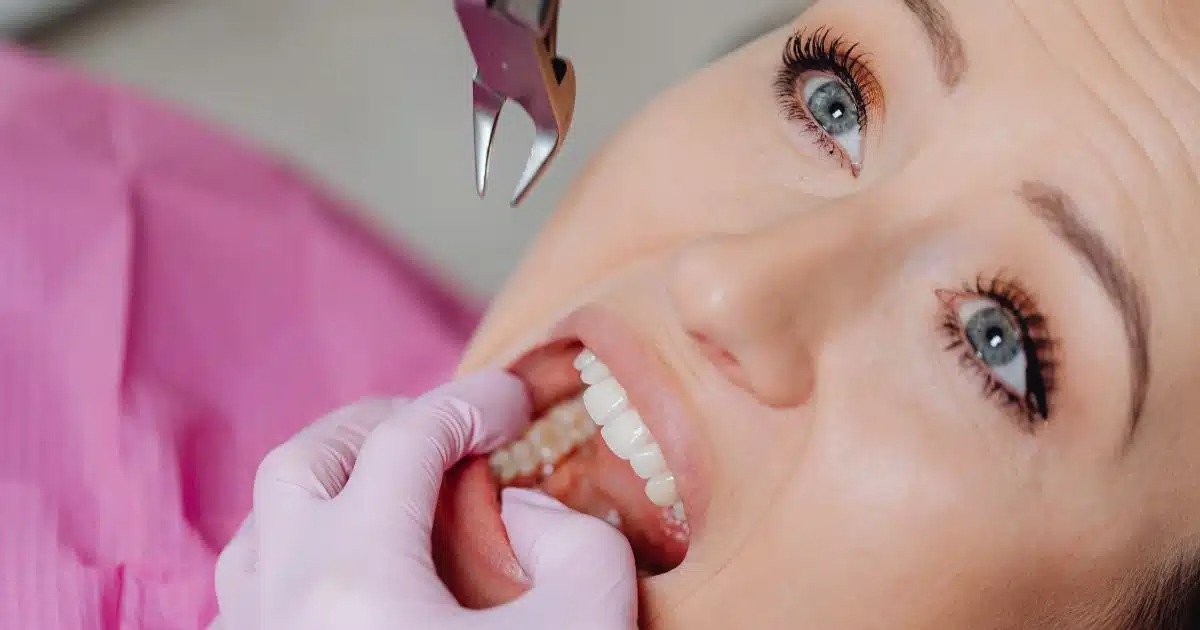
Simple Extraction: Performed when the tooth is visible and can be easily removed with forceps. This type is common for teeth that are damaged but still intact.
Surgical Extraction: Used when a tooth is broken below the gum line or impacted. It may require an incision in the gum to remove the tooth and surrounding bone tissue.
Both types of extraction are performed under local anesthesia, ensuring a painless experience for the patient.
Why Tooth Extraction Is Key for Dental Implant Success?
Healthy Jawbone for Implants
A damaged tooth often harbors infection or decay, affecting the surrounding bone and tissue. Extracting the tooth clears the area, allowing the jawbone to heal. This creates a stable, infection-free environment for the dental implant to integrate successfully.
Jawbone Preservation
Unhealthy teeth can cause ongoing bone loss in the jaw. Early tooth extraction helps preserve bone structure, which is crucial because a strong, healthy jawbone is needed to support the implant and maintain its stability.
Preventing Future Dental Issues
Extracting a severely damaged or infected tooth prevents further dental problems. For instance, leaving a decayed tooth in place can lead to misalignment, bone loss, or infections in neighboring teeth. Early extraction helps avoid these issues, ensuring the dental implant procedure is smooth and successful.
The Tooth Extraction Process: What to Expect?
Initial Consultation
The process begins with an initial consultation with your dentist or oral surgeon. During this visit, the dentist will assess your tooth’s condition and decide if extraction is necessary. They will also evaluate your jawbone’s health to determine if you’re a good candidate for a dental implant.
Procedure Overview
On the extraction day, local anesthesia will numb the area around the tooth, ensuring minimal discomfort. For a simple extraction, the dentist will loosen the tooth with a special instrument before removing it with forceps. In cases where a surgical extraction is needed, they may make an incision in the gum and remove the tooth in pieces.
Pain Management
Pain is a common concern, but modern anesthesia and sedation options ensure you remain comfortable during the procedure. Post-extraction, over-the-counter pain medications, and prescribed painkillers help manage any discomfort during the healing process.
Healing Time
The healing period varies based on the complexity of the extraction. Simple extractions heal faster, often within 1-2 weeks, while surgical extractions may take a little longer. The dentist will advise when it is safe to proceed with the implant placement.
Preparing Your Jaw for Implants After Tooth Extraction
Bone Grafting
In some cases, bone grafting may be needed to strengthen the jawbone. When a tooth has been missing or damaged for a long time, the bone can shrink. A bone graft adds new material to the jaw, encouraging bone regeneration. This creates a strong foundation for the dental implant.
Time Between Extraction and Implant Placement
The timing between extraction and implant placement depends on several factors, including the condition of your jawbone and whether bone grafting is needed. For some patients, implants can be placed immediately after extraction (immediate implants).
However, for others, a healing period of 3-6 months may be required (delayed implants) to allow the bone to heal properly before the implant procedure.
Maintaining Oral Health During the Healing Period
Proper care during the healing process is vital. You should:
Keep the Area Clean: Gently rinse with salt water to reduce swelling and prevent infection.
Avoid Hard Foods: Stick to soft foods and avoid chewing near the extraction site.
Practice Good Oral Hygiene: Brush carefully around the extraction site to avoid irritation. Avoid using mouthwash unless your dentist recommends it. Maintaining a clean and healthy mouth will help prepare the jaw for a smooth implant procedure.
Recovery Tips After Tooth Extraction
Post-Extraction Care
To promote faster healing after extraction, follow these tips:
Use Cold Compresses: Apply cold compresses to reduce swelling and discomfort.
Stick to Soft Foods: For the first few days, avoid hard or crunchy foods that can irritate the extraction site.
Avoid Smoking: Smoking can delay healing and increase the risk of infection.
Signs of Complications
Watch out for signs of complications like:
Dry Socket: This occurs when the blood clot dislodges, exposing the bone.
Infection: Symptoms include swelling, fever, and persistent pain. Contact your dentist if these arise.
Healing Timeline
Here’s what you can expect during recovery:
First 24 Hours: Minor bleeding and swelling are normal.
48 Hours: Swelling should reduce, and discomfort should lessen.
One Week: Most of the healing will occur, and you should start feeling much better.
Tooth extraction is vital in setting the stage for successful dental implants. Removing damaged or infected teeth ensures a strong foundation, allowing your new implant to integrate with your jawbone.
If you are considering dental implants, consult our dentists to assess if extraction is necessary. Remember, a healthy jaw is the key to a long-lasting, beautiful smile.
