

Veneers vs. Crowns: Understanding the Difference for Your Smile
By Supreme Dental Care of Orland Park
Are you looking to transform your smile and restore your confidence? Understanding the distinction between veneers and crowns is essential in making an informed decision for your dental care needs. Veneers and dental crowns offer unique solutions to address cosmetic and functional concerns, but they serve different purposes and require distinct procedures.
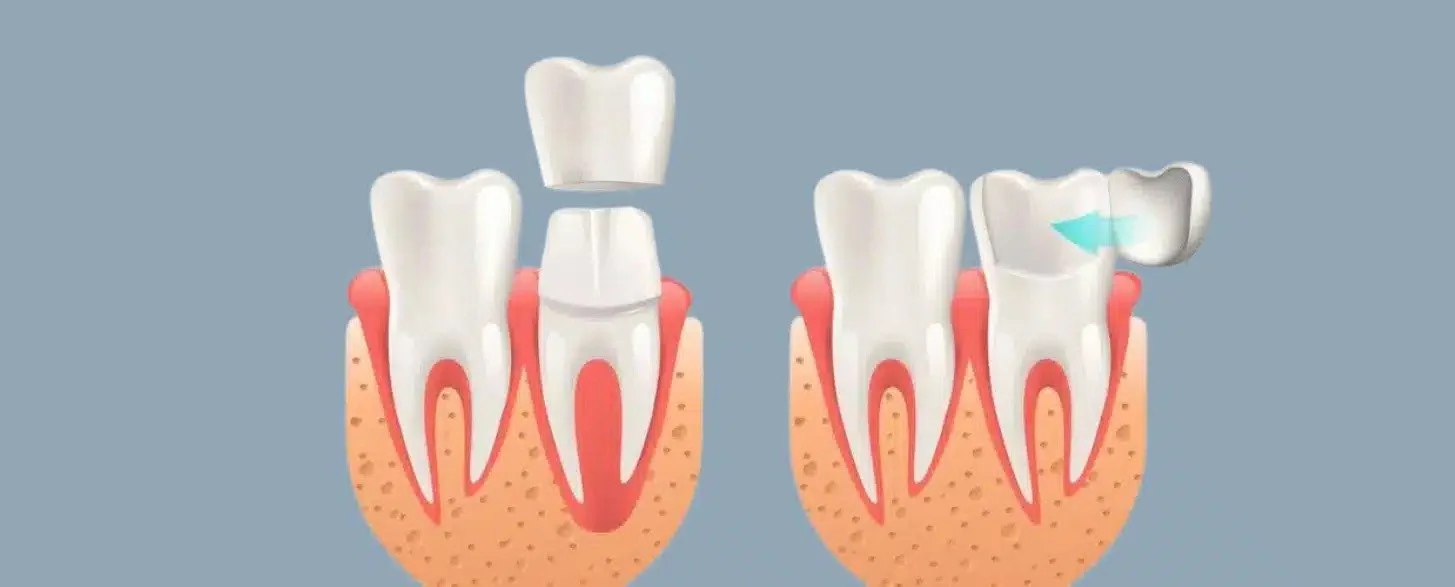
Veneers are thin shells made of porcelain or composite resin that are bonded to the front surface of teeth to enhance their appearance. On the other hand, dental crowns provide structural support and coverage for damaged or weakened teeth, reinforcing them for improved function and aesthetics. By delving into the nuances of these dental treatments, you can achieve your desired smile makeover.
Read on to explore the differences between veneers in Orland Park and crowns, empowering you to make the best choice for your dental health and overall well-being.
Explaining Veneers
Veneers are ultra-thin shells typically made of porcelain or composite resin, custom-designed to cover the front surface of teeth.
Purpose: Veneers serve as a cosmetic solution to improve the appearance of teeth by enhancing their shape, size, color, and overall aesthetics.
Materials: Porcelain veneers offer durability and a natural appearance, while composite resin veneers provide versatility and affordability.
Versatility: Veneers can address various cosmetic concerns, including discoloration, chipped or cracked teeth, gaps, and minor misalignments.
Relevance: Understanding veneers is crucial for those seeking cosmetic enhancements, especially individuals in Orland Park considering veneer treatments for smile transformations.
Understanding Crowns
Dental crowns are prosthetic caps that cover the entire visible portion of a tooth above the gum line, restoring its shape, size, strength, and appearance.
Materials: Crowns can be made from materials like porcelain, ceramic, metal alloys, or a combination of these, each offering unique advantages in terms of durability, aesthetics, and function.
Durability: Porcelain and ceramic crowns provide excellent aesthetics but may not be as durable as metal or porcelain-fused-to-metal crowns.
Dental Care: Proper dental care, including regular brushing, flossing, and professional cleanings, is essential for maintaining the health and longevity of crowns.
Relevance: Understanding the role of crowns in restorative dentistry is vital for individuals seeking dental care, as crowns are commonly used to restore damaged or decayed teeth.
Differences in Purpose and Application
Purpose Comparison: Veneers are primarily used for cosmetic enhancements, such as correcting tooth discoloration, improving shape, and closing gaps between teeth, while crowns serve both functional and aesthetic purposes, restoring the structure and strength of damaged or weakened teeth.
Scenario Preference: Veneers are often preferred for minor cosmetic imperfections, such as slight chips or stains, where minimal tooth reduction is required. Crowns, on the other hand, are recommended for more significant structural damage, extensive decay, or after root canal therapy to strengthen and protect the tooth.
Application Differences: Veneers are bonded to the front surface of teeth, requiring minimal tooth preparation, usually limited to enamel removal. In contrast, crowns encase the entire tooth above the gum line, necessitating more substantial tooth reduction to accommodate the restoration.
Aesthetic Considerations: Veneers offer superior aesthetics, mimicking the natural appearance of teeth with translucent properties and color-matching capabilities. Crowns provide both functional and aesthetic benefits, with options for natural-looking materials like porcelain to restore the appearance of damaged teeth.
Dentist’s Role: A thorough evaluation by a dentist is crucial for determining the appropriate treatment option based on the patient’s specific needs, oral health status, and desired outcome. Dentists consider factors such as the extent of damage, bite alignment, and overall oral health when recommending veneers or crowns for optimal results.
Patient Education: Educating patients about the differences between veneers and crowns empowers them to make informed decisions about their dental treatment, ensuring personalized care tailored to their unique circumstances and aesthetic goals.
Variations in Preparation and Procedure
Veneer Preparation
Veneers in Orland Park typically require minimal enamel removal, preserving much of the natural tooth structure.
The dentist takes impressions of the teeth and sends them to a dental laboratory for custom veneer fabrication.
Temporary veneers may be placed while waiting for the permanent ones to be created, ensuring aesthetics and functionality are maintained.
Crown Preparation
Crown placement involves significant tooth reshaping to accommodate the prosthetic cap.
The dentist removes a more substantial portion of the tooth’s structure to ensure proper fit and alignment of the crown.
Impressions are taken after tooth preparation, and temporary crowns may be placed until the permanent ones are ready.
Aesthetic and Functional Considerations
Aesthetic Outcomes:
Veneers in Orland Park are renowned for their ability to enhance smile aesthetics, providing a natural-looking appearance that blends seamlessly with surrounding teeth.
Crowns also offer aesthetic benefits, with advancements in materials allowing for lifelike color matching to adjacent teeth.
Functional Differences:
Veneers primarily address cosmetic concerns and minor tooth imperfections, such as chips or discoloration.
Crowns, on the other hand, are more versatile and can restore both aesthetics and function in cases of extensive damage or structural weakness.
Patient Preferences and Lifestyle Factors:
Patient input and preferences play a crucial role in the decision-making process, considering factors such as desired outcome, budget, and long-term oral health goals.
Lifestyle considerations, such as oral hygiene habits and the presence of habits like teeth grinding, may influence the choice between veneers and crowns.
Longevity and Maintenance
Expected Lifespan:
Veneers typically last between 10 to 15 years, depending on factors such as oral hygiene, bite forces, and material quality.
Crowns have a longer lifespan, ranging from 15 to 30 years, with proper care and maintenance.
Factors Influencing Durability:
Good oral hygiene practices, including regular brushing, flossing, and using a non-abrasive toothpaste, can extend the lifespan of both veneers and crowns.
Avoiding habits such as teeth grinding or chewing on hard objects can prevent premature wear and damage to restorations.
Proper Maintenance Practices:
Routine dental check-ups and cleanings are essential for monitoring the condition of veneers and crowns and addressing any issues early on.
Dentists may recommend the use of a nightguard for patients prone to teeth grinding to protect restorations while sleeping.
Understanding the differences between veneers and crowns is crucial for making informed decisions about dental treatment. While veneers focus on enhancing aesthetics with minimal tooth alteration, crowns offer both functional restoration and cosmetic improvement. By consulting with a qualified dentist and prioritizing proper maintenance, individuals can achieve lasting smiles tailored to their unique needs and preferences.
