

Wisdom Tooth Extraction Aftercare: Dos and Don’ts
By Supreme Dental Care of Orland Park
Are you feeling a bit nervous about getting your wisdom teeth extracted? Don’t worry, you’re not alone! Wisdom tooth extraction is a common dental procedure that many people go through at some point in their lives. While the thought of it may seem daunting, with the right aftercare, you’ll be back to smiling and enjoying life in no time.
In this blog post, we will guide you through the dos and don’ts of wisdom tooth extraction aftercare. From what to do immediately after the procedure to how to manage any potential discomfort, we’ve got you covered. So sit back, relax, and let us help ease your worries about taking care of those newly extracted pearly whites!
What is Tooth Extraction?
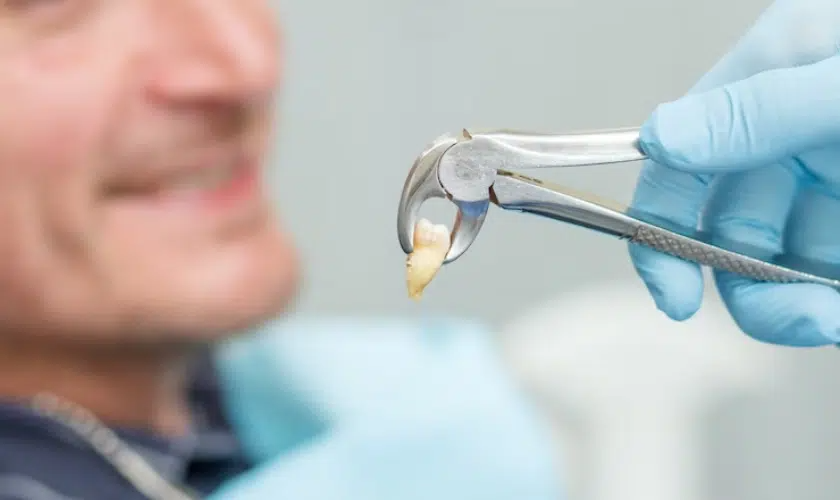
Tooth extraction is a common dental procedure that involves the removal of a tooth from its socket in the jawbone. A dentist or oral surgeon typically performs it, and it may be necessary for various reasons.
One common reason for tooth extraction is severe decay or damage that cannot be repaired through other dental treatments such as fillings or crowns. In some cases, a tooth may need to be extracted if it is causing overcrowding in the mouth, which can lead to alignment issues and difficulty with proper oral hygiene.
Wisdom teeth extractions are also quite common. These are the third molars that usually emerge between the ages of 17 and 25. Since they often don’t have enough space to erupt properly, they can become impacted, causing pain, infection, and other complications.
The process of tooth extraction begins with an examination and X-rays to determine the best approach for removing the tooth. Local anesthesia is typically used to numb the area around the tooth before it is gently loosened from its socket using specialized tools.
Aftercare following a tooth extraction requires careful attention to ensure proper healing and minimize discomfort. Following your dentist’s instructions regarding pain management, wound care, diet restrictions, and activity limitations will help facilitate recovery.
Firstly the Dos:
Let’s talk about the dos when it comes to wisdom tooth extraction aftercare. Following these guidelines will help ensure a smooth and speedy recovery.
1. Follow your dentist’s instructions: Your dentist is the expert in this field, so be sure to follow their advice carefully. They may recommend certain medications or pain relievers to manage any discomfort you may experience.
2. Rest and take it easy: Give yourself time to recover by taking plenty of rest. Avoid engaging in strenuous activities that could potentially dislodge blood clots or cause further irritation.
3. Maintain good oral hygiene: It’s important to keep your mouth clean after surgery, but be gentle while brushing around the extraction site. Use a soft-bristled toothbrush and rinse with warm salt water several times a day.
4. Apply ice packs: Swelling is common after an extraction, so applying ice packs on the outside of your cheek can help reduce swelling and provide relief from any pain or discomfort you may feel.
5. Eat soft foods: Stick to a diet of soft foods for the first few days following your procedure. This includes yogurt, mashed potatoes, soups, and smoothies – anything that won’t require excessive chewing.
Remember that everyone’s recovery process is different; what works for one person might not work for another. If you have any concerns or questions during your recovery period, don’t hesitate to reach out to your dentist for guidance and support.
Now the Don’ts
1. Don’t Smoke: Smoking after wisdom tooth extraction can interfere with the healing process and increase the risk of complications. Tobacco smoke contains harmful chemicals that can slow down the healing of your surgical site and increase the chances of infection. It’s best to avoid smoking for at least 48 hours after your procedure.
2. Avoid Drinking through a Straw: Sucking on a straw creates negative pressure in your mouth, which can dislodge blood clots from the extraction site and lead to a painful condition called dry socket. To prevent this, refrain from using straws for several days after your surgery.
3. Say No to Vigorous Rinsing: While it is important to keep your mouth clean after surgery, avoid rinsing vigorously as it may disrupt blood clot formation and delay healing. Instead, opt for gentle saltwater rinses recommended by your dentist.
4. Skip Spicy or Hot Foods: Consuming spicy or hot foods soon after extraction can irritate the surgical area and cause discomfort or pain. Stick to soft, cool foods like yogurt, mashed potatoes, soups, and smoothies during the initial days of recovery.
5. Don’t Ignore Swelling or Pain: Some degree of swelling and discomfort is normal following wisdom tooth removal; however, if these symptoms worsen over time instead of improving or if you experience severe pain that cannot be managed with prescribed medications, contact your dentist immediately.
Remember that everyone’s recovery process differs slightly based on individual circumstances; therefore, it is essential to follow specific post-operative instructions provided by your dentist for optimal healing.
Schedule Your Wisdom Teeth Extraction Today
Do you have wisdom teeth that are causing you pain or discomfort? If so, it may be time to consider scheduling a wisdom tooth extraction. This simple procedure can alleviate your symptoms and prevent further complications down the line.
Wisdom tooth extraction is a common dental procedure where the third molars, commonly known as wisdom teeth, are removed. These teeth often emerge in late adolescence or early adulthood and can cause a variety of issues, such as overcrowding, impaction, and infection, if not properly cared for.
If you’re experiencing pain or swelling around your wisdom teeth, scheduling an appointment with your dentist as soon as possible is important. They will assess your situation and determine whether extraction is necessary. Don’t put off this important decision – delaying treatment could lead to more severe problems in the future.
When scheduling your wisdom tooth extraction, make sure to choose a reputable dentist who specializes in oral surgery. This ensures that you receive the highest quality care during and after the procedure. Your dentist will provide detailed instructions on how to prepare for the surgery and what to expect during recovery.
Aftercare is crucial following wisdom tooth extraction. Be sure to carefully follow all post-operative instructions provided by your dentist. This may include taking prescribed medications, avoiding certain foods and activities, maintaining proper oral hygiene practices, and attending follow-up appointments.
