

Tooth Extraction: Myths and Facts You Need to Know
By Supreme Dental Care of Orland Park
Are you dreading the thought of getting a tooth extraction? Or maybe you’re considering having one done but are hesitant due to all the myths surrounding this procedure. Fear not, because we’re here to separate fact from fiction and provide you with everything you need to know about tooth extraction. From debunking common misconceptions to discussing important facts, this blog post will leave you feeling confident and informed about your next dental appointment. So sit back, relax, and let’s get started!
What is a Tooth Extraction?
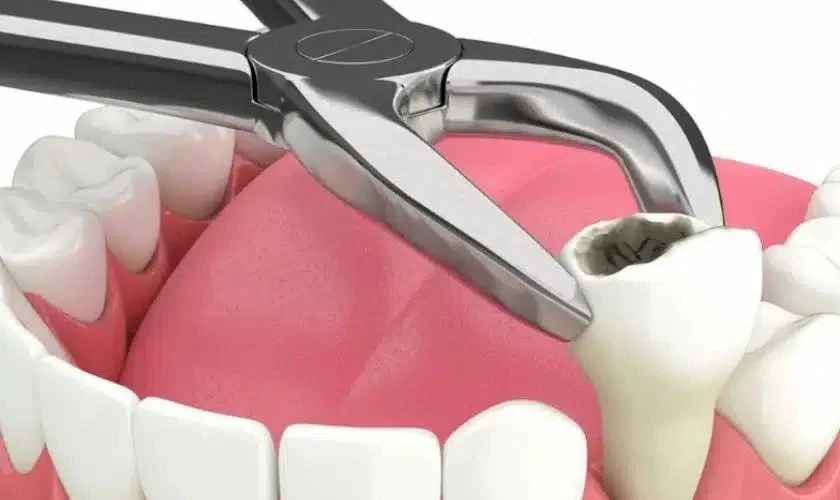
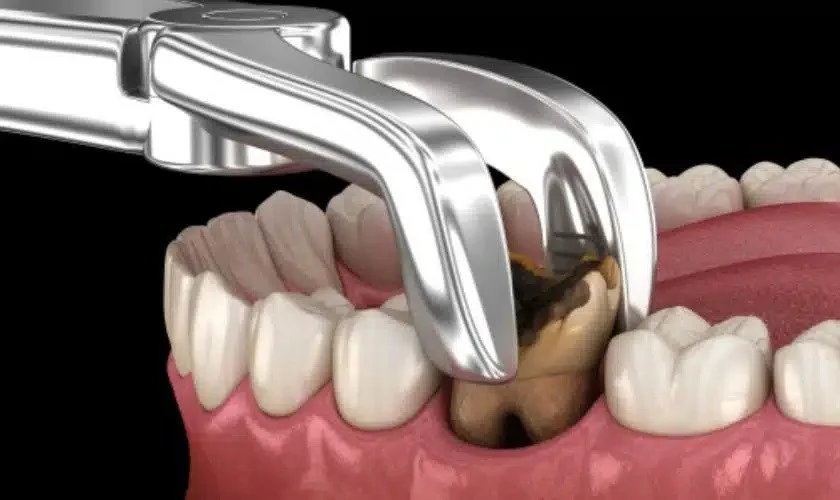
A tooth extraction is the removal of a tooth from its socket in the bone. It is a common dental procedure that is usually performed by an oral surgeon or a dentist. There are two types of tooth extractions, simple and surgical. Simple extractions are performed on teeth that are visible in the mouth, while surgical extractions are performed on teeth that are not visible in the mouth, such as impacted wisdom teeth.
Tooth extractions can be performed for a variety of reasons, including decay, infection, crowding, or trauma. In some cases, a tooth may need to be extracted in preparation for orthodontic treatment. Tooth extractions are generally safe procedures, but there are some risks involved. These risks include pain, bleeding, swelling, and infection.
Benefits of Tooth Extraction
When it comes to tooth extraction, there are a lot of myths and misconceptions floating around. To help you make an informed decision about whether or not to have a tooth extracted, we’ve compiled a list of the benefits and risks associated with the procedure:
1. Relief from Pain: One of the most common reasons for getting a tooth extracted is to relieve pain. If you have a tooth that is severely decayed or infected, it can cause a great deal of pain. Having it extracted will immediately eliminate that pain.
2. Prevent Further Damage: In some cases, extracting a tooth is necessary to prevent further damage to your mouth. If you have a tooth that is severely cracked or broken, it could continue to break down and cause further damage to your other teeth. Extracting it can help protect your other teeth from harm.
3. Improve Aesthetics: Another common reason people choose to have teeth extracted is for aesthetic purposes. If you have a tooth that is noticeably crooked or discolored, it can detract from your smile. Getting rid of it can improve the overall look of your smile.
Types of Tooth Extractions
There are two main types of tooth extractions: simple and surgical. A simple extraction is also known as a “pulling” and is performed on teeth that are visible in the mouth. Surgical extractions are necessary when teeth are broken off at the gum line or have not erupted through the gums. Impacted teeth, like wisdom teeth, may also require surgical extraction.
The type of extraction you need will be determined by your dentist or oral surgeon based on a number of factors, including the position of the tooth and whether it has been damaged.
Preparation for Tooth Extraction
There are a few things you can do to prepare for your tooth extraction. First, you should brush and floss your teeth thoroughly. This will help to remove any plaque or tartar that could cause problems during the procedure. You should also avoid eating anything hard or crunchy for a few days before the extraction, as this could make it more difficult for the dentist to remove your tooth. Finally, if you have any medical conditions that could complicate the procedure, be sure to let your dentist know in advance so that they can take appropriate precautions.
Postoperative Care After Tooth Extraction
After tooth extraction, it is important to take care of the wound to promote healing and prevent infection. The following are some tips for postoperative care:
Apply a cold compress to the outside of the mouth for 10-15 minutes every hour for the first day or two to reduce swelling.
Take pain medication as prescribed by your dentist or doctor.
Eat soft foods and avoid drinking through a straw for the first few days.
Do not smoke or use tobacco products.
Brush your teeth gently and avoid rinsing your mouth vigorously for at least 24 hours. After that, you can rinse with salt water or an antibacterial mouthwash as directed by your dentist.
When to Seek Help After a Tooth Extraction?
When you have a tooth extracted, it’s normal to experience some bleeding and swelling. However, if the bleeding is heavy or lasts longer than a few hours, you should seek medical attention. The same goes for excessive swelling. If your face starts to swell up like a balloon, you need to see a doctor right away as this could be a sign of an infection.
Source: Columbia College Calgary
Tooth extraction is a potentially frightening prospect for many, but the truth is that it can be an easy and straightforward procedure with minimal discomfort. By understanding more about what to expect, you can go into your appointment feeling confident and prepared. We hope this article has dispelled some of the myths surrounding tooth extractions and provided a clearer understanding of what happens during the process. If you need a tooth extraction or know someone who is, we encourage you to share this information with them so they can better prepare themselves for their own experience.
