

Understanding the Procedure and Recovery Process for Dental Implants
By Supreme Dental Care of Orland Park
Are you considering getting dental implants to restore your smile’s functionality and aesthetics? While the procedure may seem daunting, understanding what it entails can ease your worries. In this blog post, we’ll walk you through everything you need to know about dental implant surgery, from the initial consultation through recovery. With our guidance, you can feel confident in choosing dental implants as a permanent solution for missing or damaged teeth!
What is a dental implant?
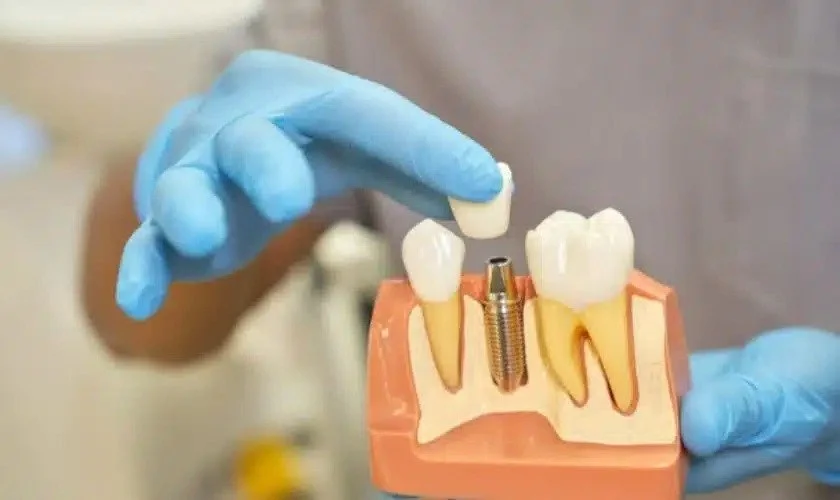
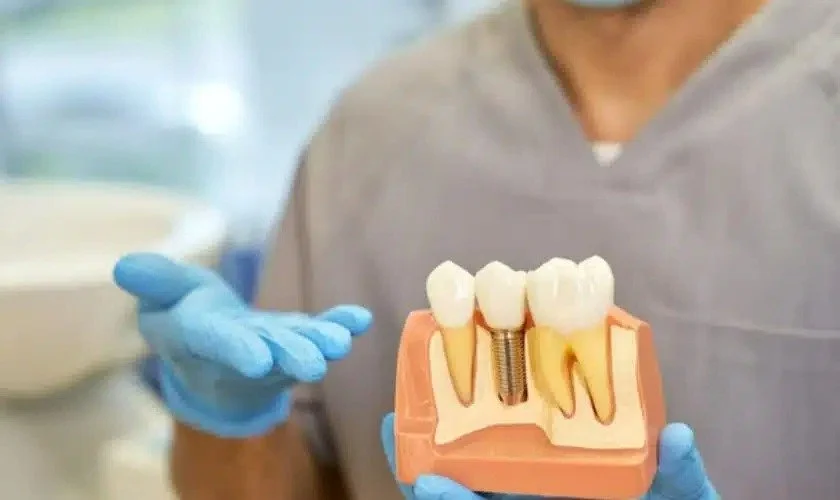
Dental implants are titanium alloy posts that are surgically inserted into the jawbone to replace missing teeth. They are a popular choice for people who have lost teeth due to age, disease, or trauma.
The surgery is typically done under local anesthesia and requires no overnight hospital stay. The implant is placed in the bone by a dentist using a drill and wire saw. The implant is then fixed into place with dental cement.
Most people experience minimal pain and swelling following surgery. Most take only minor antibiotics to prevent infection. Patients should avoid eating hard foods and drinking alcohol for the first few weeks after surgery to help speed healing.
Patients can expect good oral hygiene habits and regular visits from their dentist following surgery to keep the implant in place and properly aligned. Dental implants last up to 15 years if properly cared for.
Source: Freepik
How is a dental implant inserted into the jawbone?
A dental implant gets inserted into the jawbone with a specialized tool. The dentist will ask you to open your mouth wide, and they will then place the implant over your tooth. They will then use a special tool to push the implant through your gum and into the bone. Once it is in, they will tighten the screws in place. You may experience some discomfort at first, but this should resolve over time. There are no long-term side effects associated with dental implants.
What are the benefits of a dental implant?`
Dental implants are a popular and effective tooth replacement option that offer several benefits, including:
Improved Appearance: Dental implants look and feel like natural teeth, providing a more natural appearance than other tooth replacement options.
Increased Comfort: Dental implants are anchored securely into the jawbone, providing stability and reducing the discomfort associated with removable dentures.
Improved Speech: Unlike dentures, which can slip and cause speech difficulties, dental implants allow patients to speak clearly and confidently.
Increased Function: Dental implants allow patients to eat and chew normally, without any dietary restrictions, as they function like natural teeth.
Long-Lasting: With proper care, dental implants can last a lifetime, making them a more cost-effective tooth replacement option in the long run.
Improved Oral Health: Unlike dental bridges, which require the removal of healthy tooth structure, dental implants do not affect the surrounding teeth, leading to better overall oral health.
Overall, dental implants offer a range of benefits that can greatly improve a patient’s quality of life, including a more natural appearance, increased comfort, improved speech, and long-lasting results.
How long does it take to recover from a dental implant surgery?
Recovery from dental implant surgery can take anywhere from a few days to a few months, but the average time is around two weeks. Depending on the severity of the surgery and your overall health, your doctor may instruct you to take specific medications to speed up the healing process. In most cases, you will need to avoid vigorous exercise and heavy lifting for the first few weeks after surgery. However, you can resume normal activities as soon as your medical team approves it.
What should you do if you experience pain after having a dental implant surgery?
If you experience pain after having a dental implant surgery, there are a few things you can do to help make the process smoother.
First, be sure to speak with your dentist about the cause of the pain. Pain after a dental implant surgery may be caused by one of several factors, including improper placement of the implant, bone infection, or nerve damage. If the source of the pain is not immediately clear, your dentist may need to perform further tests to figure out what is causing it.
Second, take ibuprofen or Aleve as directed by your doctor. This medication can help reduce inflammation and pain in the area around the implant.
Third, continue using ice packs on the affected area for 20 minutes every hour until the pain subsides. Make sure to keep all other medications and treatments at bay until your dentist has ruled out any possible sources of infection or nerve damage.
Source: Innovative Dental – Cosmetic & Implant Center
Fourth, if you experience significant discomfort or swelling following surgery, please contact our office right away so that we can discuss available options for relief. Our team is dedicated to providing our patients with top-notch care and will do everything we can to make your recovery as smooth and easy as possible!
